
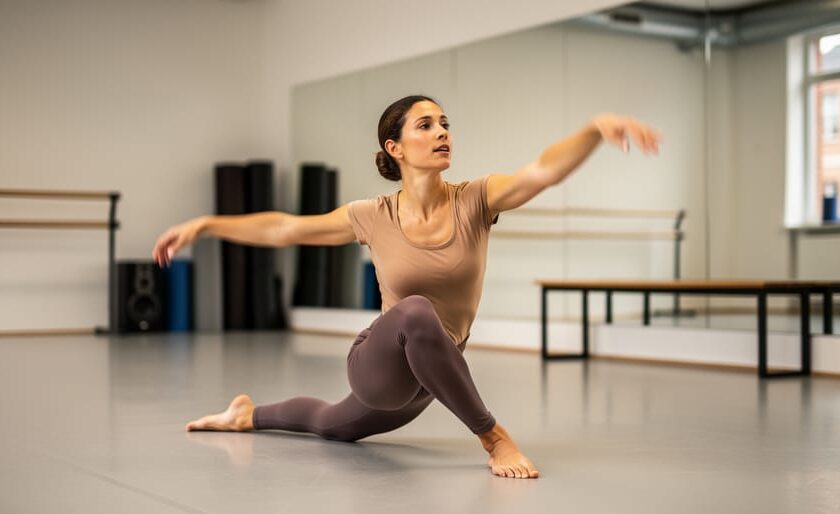
You can start contemporary dance training right now, no background required. Most beginners classes meet once or twice weekly, run 60-90 minutes, and focus on foundational techniques like floor work, breath connection, and improvisation. Within four to six weeks of consistent practice, you’ll notice improved body awareness, greater flexibility, and a surprising carryover to how you move through crowds at shows or sustain energy during long festival sets.
Contemporary dance isn’t about perfect pirouettes or rigid choreography. It pulls from ballet, modern, and even street styles to create fluid, expressive movement that mirrors the way live music makes you want to move. If you’ve ever felt the bass drop and instinctively shifted your weight or stretched your arms overhead during a guitar solo, you already understand the impulse behind contemporary technique.
The real barrier isn’t talent or age. It’s knowing where to look, what a beginner-friendly class actually offers, and how to show up prepared. Studios across Canada now run drop-in sessions and short-term workshops designed for adults who’ve never danced before, with pricing that ranges from single-class trials around fifteen dollars to monthly memberships near a hundred. You’ll want grip socks or bare feet, fitted but stretchy clothing, and enough water to get through an hour of sustained movement. The rest is just showing up and letting your body learn.
Why Music Fans Are Getting Into Contemporary Dance
Music fans and contemporary dancers operate on the same wavelength more than you might think. Both communities chase physical immersion, that rush of losing yourself in sound or movement, and both thrive on collective energy. At festivals, you’re not just hearing music, you’re feeling it through your body, swaying with strangers, riding the rhythm for hours. Contemporary dance training sharpens that exact skill set: it teaches you to translate sound into motion, hold your center in crowded spaces, and sustain physical output across long sessions.
The crossover makes practical sense. Multi-day festivals demand serious stamina, you’re on your feet six to eight hours daily, navigating surge patterns in mosh pits, maintaining balance on uneven festival grounds, and recovering overnight to do it again. Contemporary dance delivers improved strength and endurance through floor work, controlled jumps, and sustained sequences that mirror the physical load of festival movement. Dancers train kinetic awareness, how your weight shifts, where your limbs are in space, how to pivot without collision, which translates directly to crowd navigation and preventing injuries when the pit opens up.
There’s also the identity piece. Classes designed for dancers to discover their movement vocabulary, like weekend sessions running 16:30-18:00 or intensive workshops for participants 16 and up, mirror the self-discovery that happens at festivals. You’re experimenting with how your body responds to stimuli, building a personal language of motion, and finding community around shared risk-taking. Festival culture celebrates that same openness. The emerging niche of movement training for music enthusiasts recognizes what veteran festival-goers already know: live shows hit different when you’re physically fluent, when your body knows how to channel sound into kinetic release.
What You Need to Get Started
Good news: you probably own most of what you need already. Contemporary dance strips away the formal dress codes of ballet or ballroom. The gear list mirrors what you’d pack for a festival camping trip or a yoga session, comfortable, breathable, and ready to move.
Here’s what actually matters:
- Stretchy, breathable clothing, leggings, joggers, or shorts paired with a fitted tee or tank top
- Water bottle to stay hydrated through warm-ups and improvisation sequences
- Small towel for sweat (studios can get warm, especially in weekend afternoon sessions)
- Dance socks or plan to go barefoot, most contemporary classes work without shoes
- Journal or notes app for post-class reflections on movement discoveries
Skip anything restrictive. Baggy festival tees that ride up during movement or jeans that limit your range won’t help. Think second-skin layers that let you forget what you’re wearing and focus on how your body moves through space.
The mindset piece matters more than the gear. Contemporary dance for beginners emphasizes experimentation and personal expression over getting steps “right.” You’ll be exploring your movement identity, not memorizing choreography. Bring curiosity and a willingness to look awkward as you figure out how your body responds to prompts and music cues.
Space-wise, studio classes handle the logistics. Whether you’re trying a Saturday session at 16:30 or testing a first-timer drop-in, the studio provides flooring, mirrors, and room to spread out. No home setup required until you want to practice between classes.
Finding the Right Beginner Class or Workshop
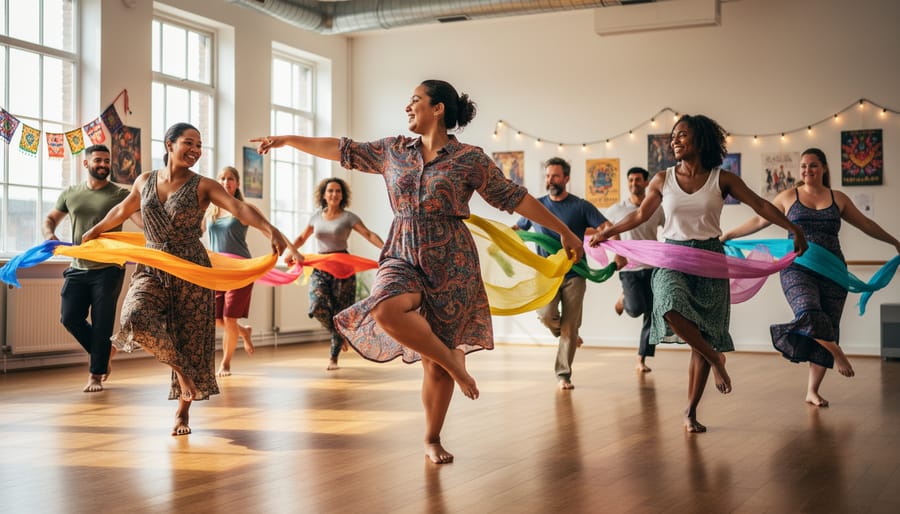
Start by thinking like you’d research a music festival lineup, scroll studios’ social pages and websites to see what vibe clicks with you. Most contemporary dance spaces post weekly schedules online, so you can spot recurring beginner-friendly slots without committing upfront. For example, “Contemporary By Patrice” runs every Saturday and Sunday from 16:30 to 18:00, a consistent weekend rhythm that suits festival-goers who keep weekdays packed. Look for class descriptions that mention “identity discovery” or “improvisation”, these signal beginner-welcoming environments where you’re encouraged to explore rather than nail perfect technique.
Pricing varies, and first-timer deals matter. Some studios offer walk-in rates around 500BT for visitors, but drop that to 400BT if it’s your first time trying their space, always check for introductory pricing before you show up. Think of it like early-bird festival tickets: booking ahead saves cash and guarantees your spot. Studios often cap class sizes, especially for hands-on workshops, so waiting until the door opens can mean getting turned away.
Age and intensity level are straightforward but worth confirming. Programs like movementors, a 6-day intensive workshop, specify 16+ and expect participants ready for full-day training. If you’re dipping a toe in rather than diving deep, weekend drop-in classes work better than week-long intensives. Read the fine print: some workshops assume you can commit to the full schedule, while others let you sample a single session.
Here’s the booking process stripped down:
- Research local studios and workshop schedules, check Instagram, websites, and class calendars for beginner tags and recurring time slots.
- Compare pricing and first-timer deals, note walk-in rates vs. discounted introductory offers, and look for package deals if you’re planning multiple sessions.
- Book in advance online or by phone, secure your spot, especially for weekend classes that fill up fast, and confirm any waiver or registration forms you need to complete beforehand.
- Confirm age requirements and skill level, make sure the class matches your experience (true beginner vs. some movement background) and that you meet any minimum age thresholds.
- Arrive 15 minutes early on your first day, give yourself time to find the studio, introduce yourself to the instructor, and settle in without rushing.
Treat this like planning which stage to hit at Heavy Montreal: a little prep means you show up ready, not scrambling. Studios appreciate first-timers who’ve read their policies and arrive on time, and you’ll feel less like an outsider when you’ve already got the logistics handled. Book your first class for a weekend when you’re not recovering from a show, and give yourself permission to be curious rather than perfect.
Your First Class: What to Expect
Your first contemporary class will likely start with a circle warm-up, gentle stretches, spinal rolls, and weight shifts to wake up your body and ease any pre-class nerves. The instructor guides you through a progression that opens your joints and primes your muscles, often set to ambient or instrumental music that creates a meditative entry point. You’re not drilling choreography; you’re tuning into how your body feels in space.
After the warm-up, expect floor work, rolling, crawling, rising and falling, that builds kinetic awareness. The instructor may cue impulses like “let your ribs initiate the turn” or “find weight in the floor,” which can feel abstract at first. Trust the process; you’re training your body to respond to sensation, not memorize steps. Music selection varies: sometimes lyric-driven tracks, sometimes just rhythm or silence, depending on the exercise. You’ll likely encounter improvisation prompts, “explore your relationship to gravity” or “move from curiosity”, that invite personal interpretation. These identity-discovery moments can feel vulnerable but also freeing, especially if you approach them like exploring a new stage at a festival: no script, just presence.
The session winds down with a cool-down, deep stretches, breathwork, or a brief reflection. Many classes close in a circle again, allowing a moment to process the physical and creative work you’ve just done. You’ll leave class physically tired but mentally energized, with a clearer sense of how your body moves and responds, useful awareness whether you’re dancing in a studio or navigating a crowded festival field.
Safety and Listening to Your Body
Festival season teaches you to pace yourself, but dance class can sneak up on you differently than a three-day event. Your body doesn’t care if you’re hyped, contemporary movement demands respect for your physical limits, and ignoring that reality leads to strains, exhaustion, or burning out before you build any real practice.
Start every session with a proper warm-up. Most beginner classes at places like Contemporary By Patrice (Saturday/Sunday, 16:30-18:00) build this into the structure, but if you arrive late or practice at home, give yourself at least ten minutes of gentle movement to wake up muscles and joints. Think of it like stretching before you head into the crowd, not jumping straight into the pit.
Pay attention to what your body is telling you. Sharp pain is a stop signal, not something to push through. Muscle fatigue is normal, but joint discomfort or sudden tightness means ease off. If you’re nursing a festival injury or chronic issue, tell your instructor before class starts. They can offer modifications without singling you out.
Keep a basic safety checklist in mind every session:
- Always warm up before dancing, even at home
- Communicate any injuries or limitations to your instructor upfront
- Hydrate before class and after, just like you would at a festival
- Don’t push through sharp pain, back off and reassess
- Honor rest days, your muscles grow during recovery not during class
Mental safety matters just as much. Contemporary dance often involves partner work, improvisation, and identity-discovery prompts (especially in 16+ workshops like movementors). If a prompt feels too vulnerable or a partnering exercise crosses your comfort zone, you can opt out or modify. Good instructors create space for boundaries, festival crowds teach you to protect your energy, and dance class should do the same.
Self-consciousness will show up, especially in your first few sessions. Everyone in that room has felt it. Redirect that mental noise into curiosity about the movement itself, not judgment about how you look doing it.
Rest days are non-negotiable if you want to sustain a practice. Dancing two or three times a week with recovery in between builds strength and stamina better than daily sessions that leave you wrecked. If you’re using festival recovery CBD or other recovery tools between events, the same principles apply here: your body adapts during rest, not during the grind.
Treat your dance training like training for festival season, pacing yourself for the long haul instead of sprinting until you crash.
Building a Practice: From Drop-In to Routine
Turning a single drop-in session into a regular practice doesn’t mean signing your life away, it means finding a rhythm that fits around gigs, travel, and the chaotic energy of festival season. Most contemporary classes run weekend slots (like those Saturday and Sunday 16:30-18:00 sessions), which suits anyone who spends weekdays recovering from shows or planning the next road trip. You might start with one class a week, then add a second when you’re not on the road. The walk-in flexibility (500BT for visitors, 400BT for first-timers) means you can drop in when you’re in town without committing to a full term upfront.
Off-season is your sweet spot. Between November and March, when the music festivals this summer are just dates on a calendar, you’ve got time to build stamina and body awareness that’ll pay off in the pit. Consider a short intensive, 6-day workshops designed for 16+ dancers pack concentrated training into a week, ideal if you want immersive progress without long-term weekly commitment. Track what you notice: can you stand through a three-hour set without your lower back screaming? Are you reading crowd movement better, anticipating surges before they happen? Those are real markers. Dance training isn’t separate from festival life, it’s prep work, the same way you’d break in new boots before a multi-day event.
How to Know You’re Making Progress
Progress in contemporary dance sneaks up on you. You won’t hit discrete levels or earn belts, but you’ll notice shifts in how your body moves and how you experience live music.
Physical markers show up first. You’ll catch yourself holding a squat longer at a show without your legs screaming, or you’ll recover faster after a full day of festival sets. Your balance improves, less stumbling when someone bumps you in a crowd. Flexibility comes gradually; movements that felt awkward in week one start to flow by week six.
Creative markers take longer but cut deeper. You’ll improvise more confidently in class, trusting your body to respond to music without overthinking. You’ll develop a personal movement vocabulary, certain gestures or weight shifts that feel distinctly yours. This carries over: at concerts, you’ll move with more intention, less self-consciousness.
The experiential shift matters most. One festival regular who started training in 2025 described it as “finally feeling the bass line in my spine instead of just hearing it.” You’ll sync with rhythms differently, anticipate builds and drops physically, and sustain energy across multi-hour sets without burning out early.
Track your stamina informally. Can you dance through three back-to-back artists now when you used to fade after one? That’s progress worth celebrating.
Common Questions About Starting Contemporary Dance
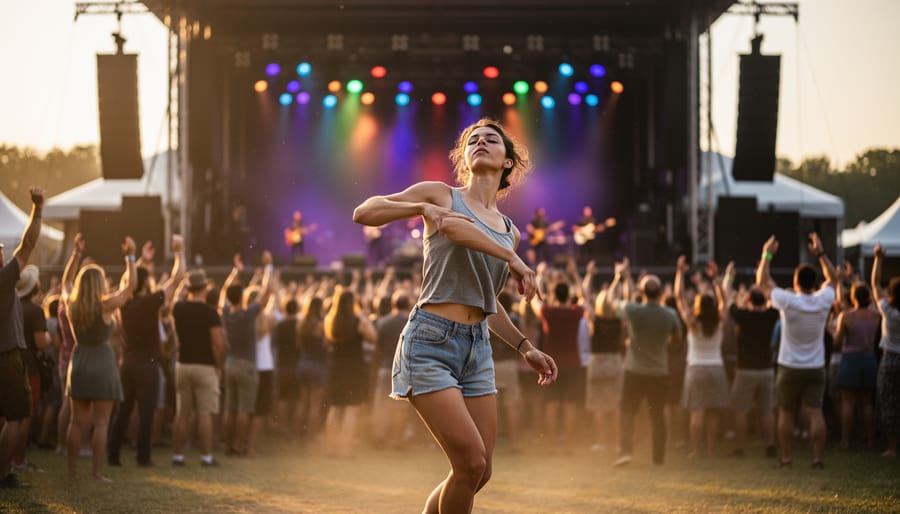
No, you don’t need dance experience to start contemporary. The style thrives on personal expression and exploration rather than rigid technique, which makes it ideal for music fans looking to move freely. Classes for identity discovery, like those run every Saturday and Sunday from 16:30-18:00, welcome complete beginners and create space to find your own movement language.
Do I need to be flexible to start?
Flexibility develops through consistent practice. Contemporary dance values authentic movement over extreme extension, so you’ll build range naturally as you train.
Can I start as an adult?
Absolutely. Many contemporary workshops welcome dancers 16 and up, including intensive programs designed for teens and adults discovering movement for the first time.
How is contemporary different from other dance styles?
Contemporary emphasizes improvisation and personal interpretation rather than memorizing choreography. You’re encouraged to respond to music intuitively, much like losing yourself in a live set.
Will this actually help my festival stamina?
Yes. Regular movement training builds core strength, cardiovascular endurance, and body awareness that carry directly into multi-hour shows and all-day festival environments.
The financial barrier stays low for first-timers: walk-in rates typically run around 500BT, while first-time participants often pay closer to 400BT. That’s less than most festival merch and offers longer-lasting value than festival tattoo inspiration you might regret by next season. Contemporary dance won’t demand the same commitment as training for a marathon, but it will make you more comfortable spending hours on your feet, shifting weight, and moving with intention rather than just surviving the crowd crush.
So you’ve survived another festival season, bruised shins, ringing ears, and a camera roll full of blurry crowd shots. What now? Contemporary dance fills that off-season void with the same high-energy release and physical storytelling you crave from live shows, minus the port-a-potty lines. It’s not about becoming a professional dancer; it’s about staying connected to movement, rhythm, and your own body between June and next summer. Classes like Contemporary By Patrice’s Saturday and Sunday sessions (16:30-18:00, first-timers 400BT) or intensive workshops like movementors offer low-barrier entry points to discover how you move when the music’s still playing in your head. Check a schedule, book a slot, and see what your body has to say in 2026.