
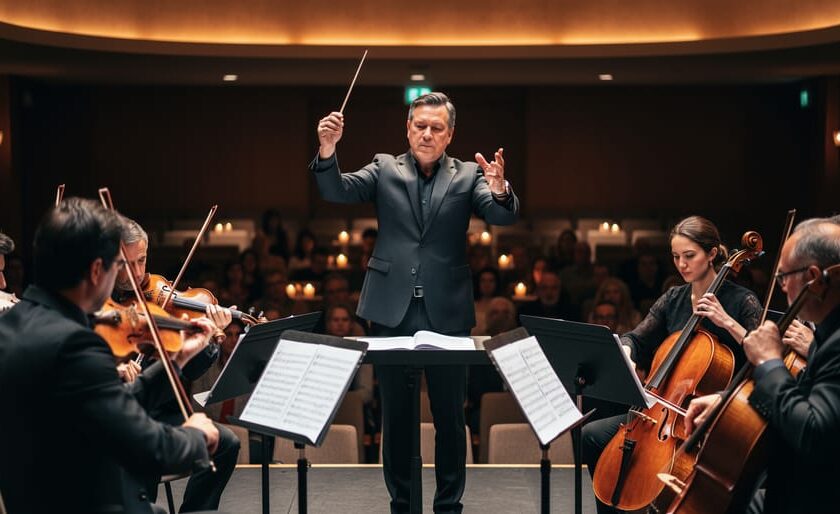
Live classical music in 2026 is showing up in spaces you’d never expect: candlelit concerts in intimate venues across 20 Canadian cities, rock orchestras touring coast to coast, and outdoor amphitheatres drawing crowds that look more like summer festival lineups than your grandmother’s symphony hall. If you’re hunting for upcoming performances or wondering whether classical deserves a spot on your concert calendar alongside Canadian music festivals here’s what’s actually happening right now.
The live classical scene has cracked the code on making 300-year-old music feel urgent and accessible. Organizations like Candlelight are programming Mozart by flickering light in unexpected venues, while The Rock Orchestra by Candlelight just launched its first major Canadian tour, blending symphonic arrangements with contemporary edge. Yesterday at Amphithéâtre Fernand-Lindsay, Bernard Labadie and Les Violons du Roy presented Mozart’s most iconic female characters, and today Jean-Yves Thibaudet is back on that same stage with a journey from Carmen to Gershwin.
This isn’t about stuffy dress codes or feeling lost in a sea of insiders. The new wave of classical programming borrows heavily from festival culture: shorter sets, themed programs, and venues where you can actually grab a drink and settle in. Whether you’re chasing a specific performance or just curious about what makes live orchestral music hit differently than streaming, the barrier to entry has never been lower.
Why Classical Music Is Suddenly Everywhere at Live Events
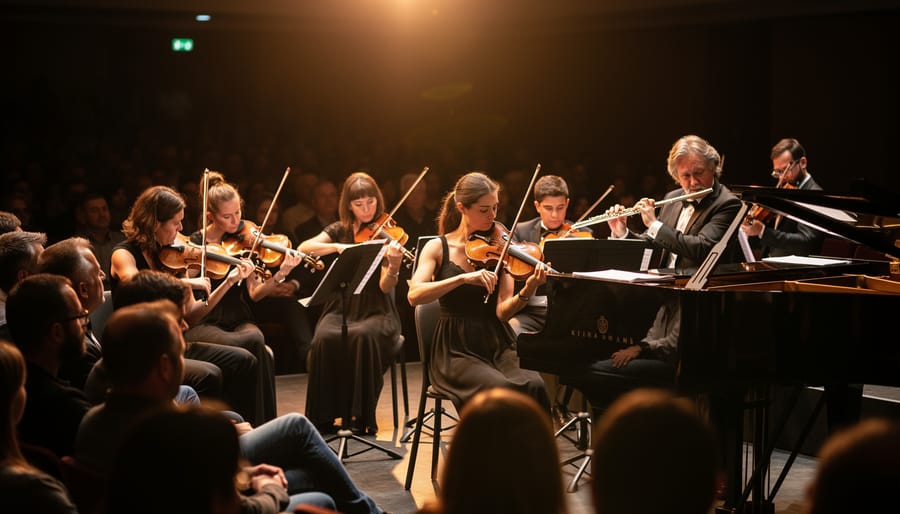
Walk into any major city’s event listings and you’ll spot something unexpected: classical music rubbing shoulders with indie bands and club nights. It’s not your grandparents’ orchestra scene anymore. The shift happened gradually, then all at once, as promoters figured out that putting a string quartet in a historic chapel lit by a thousand candles makes for a night people actually want to attend.
The formats driving this surge share almost nothing with the formal concert hall experience that kept entire generations away. Candlelight concerts have popped up across Canada, transforming churches, loft spaces and galleries into intimate venues where phones come out for the ambiance shots and no one shushes you for shifting in your seat. Rock orchestra hybrids are touring nationally, pairing electric guitars with full string sections to play everything from Led Zeppelin to film scores. These aren’t stuffy tribute acts; they’re genuine collaborations that treat both genres with respect while creating something entirely new.
What’s fueling this crossover boils down to a few key shifts:
- Venues ditching the proscenium stage for 360-degree setups and non-traditional spaces
- Instagram-friendly production design that makes the experience shareable without feeling gimmicky
- Programming that mixes eras and styles within a single night rather than sticking to one composer
- Shorter, intermission-free performances that fit modern attention spans and schedules
For festival-goers used to hunting down the weird, small-tent performances that become the weekend’s highlight, this evolution makes perfect sense. Classical live events now offer that same sense of discovery. You’re not committing to three hours of Mahler when you’re curious about orchestral music; you’re catching an hour of Vivaldi remixed with contemporary composers in a space that feels more like a speakeasy than a concert hall. The barrier to entry dropped from intimidating to intriguing, and the audiences showing up reflect that shift.
The New Venues Bringing Classical to Canadian Cities
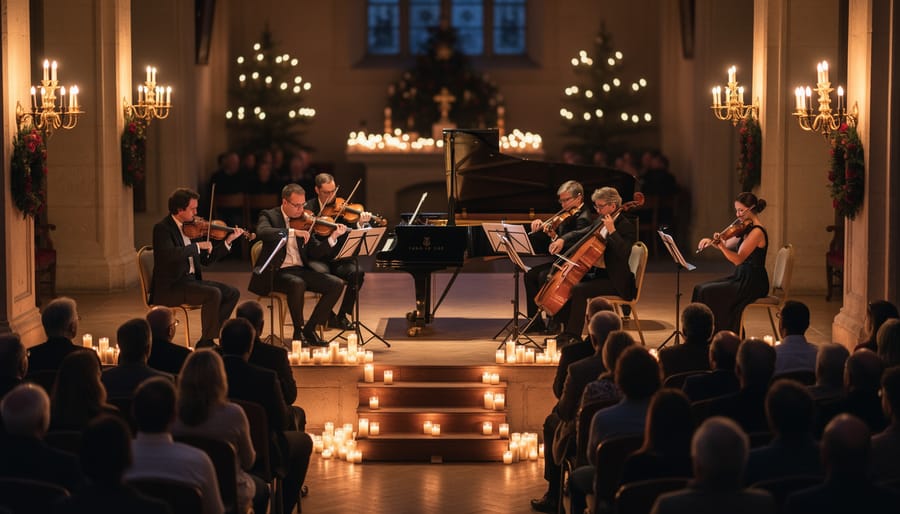
Canada’s classical scene is ditching the velvet-rope vibe, and the venue shift tells the story. Candlelight has rolled out performances across 20 Canadian cities, turning churches, heritage buildings, and artist lofts into intimate concert spaces lit by hundreds of candles. These aren’t your typical concert halls. You’re more likely to find yourself in a converted warehouse or a century-old cathedral than a formal auditorium, and the atmosphere leans closer to a speakeasy show than a buttoned-up recital.
Take Amphithéâtre Fernand-Lindsay, which hosted performances by Bernard Labadie and Les Violons du Roy presenting Mozart’s most iconic female characters, plus Jean-Yves Thibaudet’s appearance in From Carmen to Gershwin. The amphitheatre sits outdoors in Joliette, Quebec, surrounded by forest rather than city traffic. You’re under open sky or canopy, not chandeliers. The casual setting strips away the intimidation factor that keeps many festival-goers from trying classical in the first place.
The venue transformation matters because it changes how you experience the music. Traditional concert halls carry expectations: assigned seating, hushed silence, formal dress codes. These newer spaces treat classical performances more like curated listening events. You might grab a drink beforehand, sit on benches instead of plush seats, and feel the breeze during a violin solo. The music stays the same, but the context makes it approachable. For anyone used to outdoor stages and relaxed festival grounds, these venues bridge the gap between classical repertoire and the live music culture you already know.
What’s Actually Happening Right Now
Right now, the classical live scene in Canada is more active and varied than a lot of people realize. If you’re used to scrolling lineups for Heavy Montreal or checking out a music live stream you might be surprised to learn there’s just as much happening in the classical world, it’s just marketed differently.
The Rock Orchestra by Candlelight is currently on its first major tour across Canada, bringing that hybrid experience we talked about earlier to cities that don’t always get this kind of programming. Meanwhile, Candlelight itself has established a presence in 20 Canadian cities, which means there’s likely something happening near you if you’re curious enough to look.
For a snapshot of what’s actually on right now, here are a few verified performances that show the range of what’s out there:
| Date | Performance | Venue | Featured Artists |
|---|---|---|---|
| July 24, 2026 | Mozart: Portraits of Women | Amphithéâtre Fernand-Lindsay | Bernard Labadie and Les Violons du Roy |
| July 25, 2026 | From Carmen to Gershwin: Invitations to a Journey | Amphithéâtre Fernand-Lindsay | Jean-Yves Thibaudet |
These examples, both happening at the Amphithéâtre Fernand-Lindsay through Place des Arts, illustrate the breadth you’ll find. One features Bernard Labadie and Les Violons du Roy diving into Mozart’s most iconic female characters, a thematic, focused program. The other brings Jean-Yves Thibaudet back to the same stage for a journey from Carmen to Gershwin, mixing opera with jazz-influenced classical repertoire.
What matters here is less the specific dates and more what they represent: classical live is happening consistently, across multiple formats, and it’s being programmed with the same care you’d expect from any major festival. These aren’t one-off events or dusty annual obligations. They’re part of a living, evolving calendar that rewards anyone willing to explore beyond the usual festival circuit.
The Festival-Goer’s Take: What to Expect at Classical Music Live
Walking into your first classical show when you’re used to pit-pushing at indie gigs or dancing until 3am at electronic festivals feels like stepping into a parallel music universe. But it’s not as alien as you’d think.
The vibe is quieter, obviously. There’s no pre-show buzz of bass leaking through venue walls or crowds milling around merch tables. People tend to arrive closer to start time, there’s often a proper lobby where you might grab a drink, and then everyone files in and actually sits down. Yes, sits. For the entire show. If you’re someone who processes music through movement, this takes adjustment. You’re experiencing the music cerebrally and emotionally rather than physically, which is its own kind of intensity once you lean into it.
Dress however you want at contemporary formats like Candlelight concerts. Jeans and sneakers are completely fine. Traditional symphony performances skew slightly dressier (think dinner-with-parents attire), but you’ll see everything from suits to casual button-downs. Nobody’s checking your outfit at the door.
Duration varies wildly. Candlelight-style shows often run 60 to 75 minutes straight through, similar to a tight festival set. Traditional concerts typically last two to two-and-a-half hours with an intermission, which gives you a break to stretch and reset. Plan accordingly if you have the attention span of a golden retriever.
The etiquette piece isn’t complicated: don’t talk during performances, silence your phone completely, and hold applause until pieces actually end. Classical works often have multiple movements with pauses between them, and clapping mid-piece marks you as a newbie. When in doubt, wait for everyone else to start clapping. Also, late entry isn’t tolerated the way it is at festivals. Arrive on time or you might wait in the lobby until intermission.
Choosing between traditional and contemporary formats comes down to your comfort level with the unknown. Contemporary shows with familiar programming (think movie scores, rock orchestrations, or accessible composers) offer a gentler entry point. Traditional concerts with canonical repertoire deliver the full weight of what these pieces were designed to do, but require more patience and openness to the unfamiliar.
The Crossover Appeal: From EDM to Mozart
The shift isn’t random. Classical music live is pulling in festival crowds because organizers finally figured out what makes people show up: familiar entry points, tight pacing, and an experience that feels social rather than formal.
Programming plays a huge role. Shows like From Carmen to Gershwin don’t assume you know your Bizet from your Brahms. They curate recognizable melodies and emotionally direct pieces that land immediately, even if you’ve never set foot in a concert hall. That accessibility mirrors how festival lineups balance headliners with deep cuts, giving audiences multiple ways in. You’re not being tested on your knowledge. You’re being invited to feel something.
Length matters too. Traditional symphony programs can stretch past two hours with intermissions. Newer formats clock in around 60 to 90 minutes, closer to a headline festival set. That runtime respects attention spans without dumbing anything down. You get the emotional payoff without the endurance test, and you can still grab drinks after.
Multimedia elements borrowed straight from electronic and rock shows are everywhere now. Candlelight’s signature setup uses hundreds of candles to transform venue atmosphere, creating an immersive environment that feels more like an art installation than a recital. Some productions layer in projections, lighting design, or narrative frameworks that give visual context to the music. It’s the same thinking behind festival stage production: sound alone isn’t enough when you’re competing for experience-driven audiences.
This crossover matters because it’s expanding what “live music” means. Classical isn’t replacing anything. It’s adding texture to a scene that benefits from range. The more formats and genres that thrive in live settings, the more sustainable and interesting the whole ecosystem becomes.
How to Find Your First Classical Live Experience
Start with what you already know works for finding live music. If you’ve ever tracked down a good indie show or mapped out festival lineups, you already have the research skills. Classical just uses a few different platforms.
- Check what’s near you first. Venues hosting classical concerts often have dedicated classical series on their websites. Look for performing arts centres, historic theatres, and even unconventional spaces like churches or galleries that list events.
- Search “Candlelight concerts” plus your city name. They’re in 20 Canadian cities and their events are designed specifically for first-timers, with shorter formats and familiar repertoire.
- Browse general ticketing platforms like Eventbrite or even Facebook Events. Classical organizers are increasingly listing there alongside other live music, making it easy to spot what’s coming up.
- Look for clues in the programming. Titles mentioning film scores, “greatest hits,” rock orchestras, or named composers you recognize (Mozart, Vivaldi, Tchaikovsky) signal accessible entry points.
When you’re ready to choose your first festival experience, apply the same logic you’d use for any live show. Consider the venue vibe, the length (60-90 minutes is common for contemporary classical formats), and whether you want a seated traditional hall or something more experimental. Skip anything billed as a full symphony cycle or featuring ultra-contemporary composers for your first outing unless you’re genuinely curious about the avant-garde.
The good news is there’s no membership required, no insider knowledge needed, and most organizers genuinely want new faces in the audience. If the description makes sense and the venue looks appealing, you’re probably in the right place. Trust your instincts the same way you would when picking between festival stages.
The line between classical and contemporary live music has blurred more than ever, and that’s exactly what makes 2026 such an exciting time to be a music fan. Whether you’re catching an indie band in a warehouse, dancing until sunrise at an electronic festival, or settling in for a candlelit Mozart performance, you’re participating in the same fundamental experience: live music that connects people to something bigger than themselves.
Classical music live isn’t a separate category anymore. It’s part of the ecosystem. The same venues hosting rock shows are lighting candles for string quartets. The same crowds who know every festival lineup are discovering Bernard Labadie’s Mozart interpretations. This crossover isn’t diluting classical music; it’s proving that when you strip away the pretense and focus on the experience, orchestral performances hold their own alongside any genre.
You don’t need to choose a lane. The beauty of the current live music landscape is its sheer variety. One weekend you’re at a summer festival, the next you’re watching Jean-Yves Thibaudet interpret Gershwin in an amphitheatre. Both are valid. Both are worth your time. Classical music live has earned its place in the conversation, and it’s not going anywhere.