
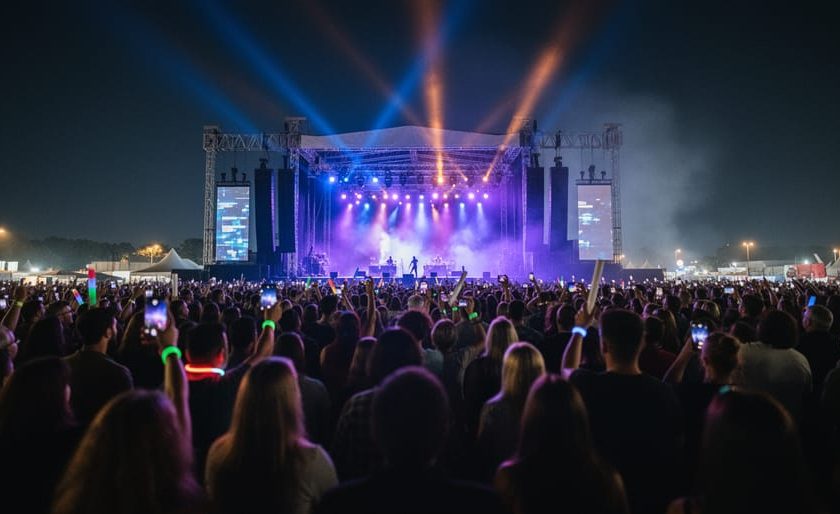
The world is packed with thousands of music festivals in 2026, spanning every continent and genre imaginable, from Coachella’s dual weekends in April (the 10-12 and 17-19) to Hocus Pocus Festival in Miami this October 30-November 1. Whether you’re after techno in Berlin, indie rock in Canada, or traditional sounds in India, the sheer volume of options can feel overwhelming when you’re trying to plan your festival calendar and actually buy tickets before they sell out.
Here’s what actually matters: picking festivals that match your music taste, fit your travel budget, and happen when you can take time off. The best festival experience isn’t always the biggest or most famous one. Sometimes it’s a mid-sized gathering in Edmonton or a boutique event in Australia that gives you the stories you’ll tell for years.
I’ve spent the better part of a decade chasing lineups across time zones, and I’ve learned that geography and genre are your two best filters. A festival in Japan offers a completely different vibe than one in Europe, even if they book similar artists. The crowd, the food, the way people move through the site, it all shifts the experience. And genre focus matters more than you’d think. A multi-genre mega-festival can be incredible, but there’s something special about being surrounded by a few thousand people who are all there for the exact same sound.
This guide breaks down the global festival landscape by region and style, giving you verified 2026 dates where available and the practical details you need to start booking flights. No fluff, just the festivals worth your time and money.
How We Curated This Festival Guide
We didn’t just throw darts at a world map. Curating this guide meant balancing breadth with authenticity, finding festivals that matter both musically and culturally while ensuring they’re actually accessible to international travelers in 2026.
Our selection process centered on five core criteria:
- Geographic diversity spanning Europe, North America, Asia-Pacific, with festivals confirmed across the USA, Canada, Japan, Australia, and India
- Genre variety from mainstream pop and rock to underground techno, jazz, folk, and regional specialties
- International accessibility, prioritizing festivals with English-language info, straightforward visa processes, and established tourist infrastructure
- Cultural distinctiveness, festivals offering experiences you can’t replicate elsewhere, not just big-name lineups
- Verified 2026 dates or strong historical patterns indicating the festival will run
We drew heavily from the Database of Global Music Festivals as our foundation, then cross-referenced with trusted festival aggregators, official festival announcements, and local music publications. Where exact 2026 dates weren’t confirmed yet, we included festivals with consistent annual schedules and strong track records. The goal was creating a genuinely global snapshot that works for both first-time festival travelers and seasoned circuit veterans looking for their next adventure.
North American Festival Experiences
1. Coachella Valley Music & Arts Festival, California
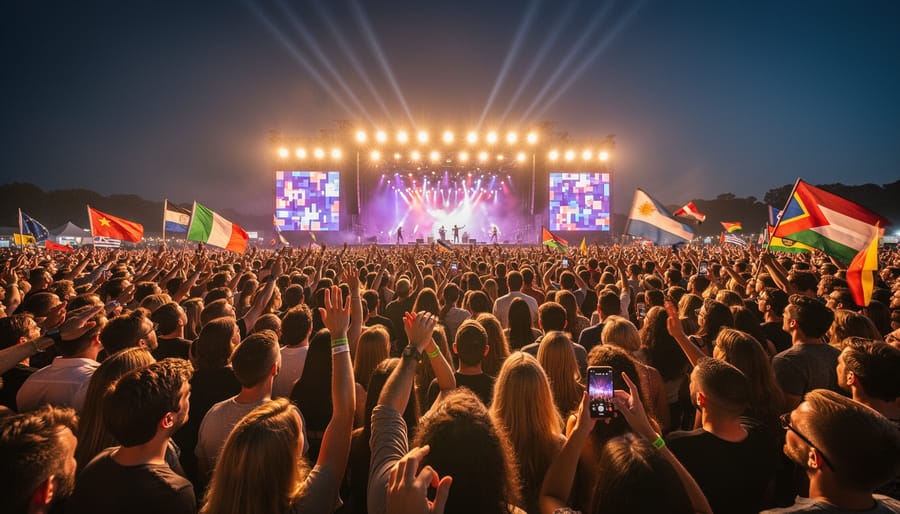
Coachella Valley Music & Arts Festival stands as the gold standard for North American festival experiences. Coachella runs April 10-19, 2026 split across two identical weekends (April 10-12 and 17-19), giving you flexibility to choose your dates based on travel schedules and crowd tolerance.
What makes Coachella legendary goes beyond the headliners. The festival curates a genuinely diverse lineup spanning hip-hop, indie rock, electronic, Latin, and pop, often breaking artists into mainstream consciousness. Think massive art installations dotting the desert grounds, surprise guest appearances, and a fashion scene that rivals the music itself.
The Indio desert setting creates a specific vibe. Daytime heat demands serious sun protection and hydration strategies, while nights turn cool and magical under vast star-filled skies. Many attendees camp on-site for the full immersive experience, though nearby hotels in Palm Springs offer more comfort.
For international travelers, fly into Los Angeles or San Diego and plan ground transport carefully, as the festival site sits about two hours from major airports. Book accommodation months ahead. While Coachella differs vastly from Canadian music festivals or the intimate settings covered in our Banff festival guide and the vibe contrasts sharply with experiences celebrating Traditional Canadian music this desert gathering delivers a quintessentially American festival spectacle worth experiencing once.
2. Hocus Pocus Festival, Miami
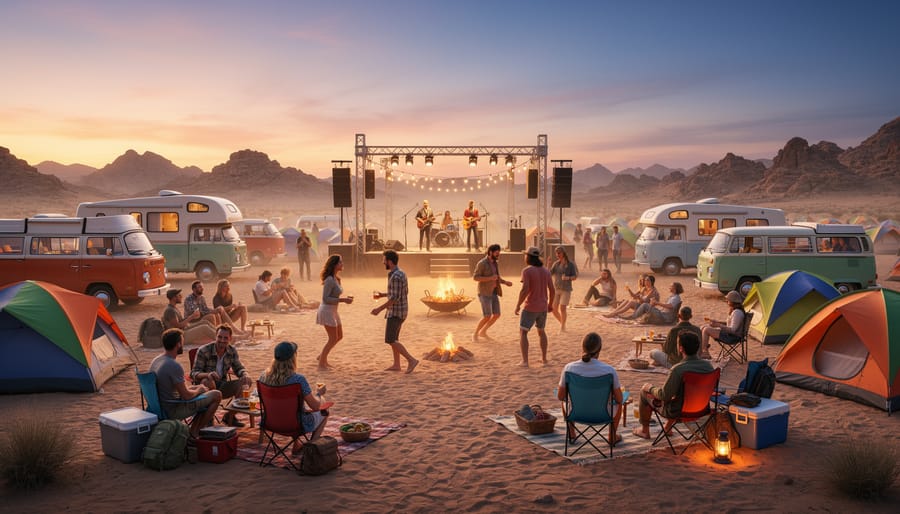
Miami trades its usual sunshine for spooky season magic at Hocus Pocus Festival, running October 30-November 1, 2026. This Halloween-themed celebration transforms the city’s festival grounds into a costumed playground where electronic beats meet jack-o’-lanterns and creative self-expression reaches fever pitch.
What sets Hocus Pocus apart is how it captures Miami’s unique energy while embracing autumn festivities most tropical cities skip entirely. Expect elaborate stage production with haunted house aesthetics, a sea of inventive costumes (Miami festival-goers don’t do anything halfway), and lineups that lean heavily into bass-heavy electronic and hip-hop sounds. The three-day format means you can pace yourself between marathon dance sessions and exploring Miami’s nightlife between sets.
October in South Florida means warm evenings without summer’s brutal heat, perfect festival weather. Book accommodation early; Halloween weekend in Miami draws crowds beyond the festival itself. Come ready to dress up, because half the fun is the creative costuming that turns the crowd into part of the spectacle.
3. Scream Edmonton, Alberta
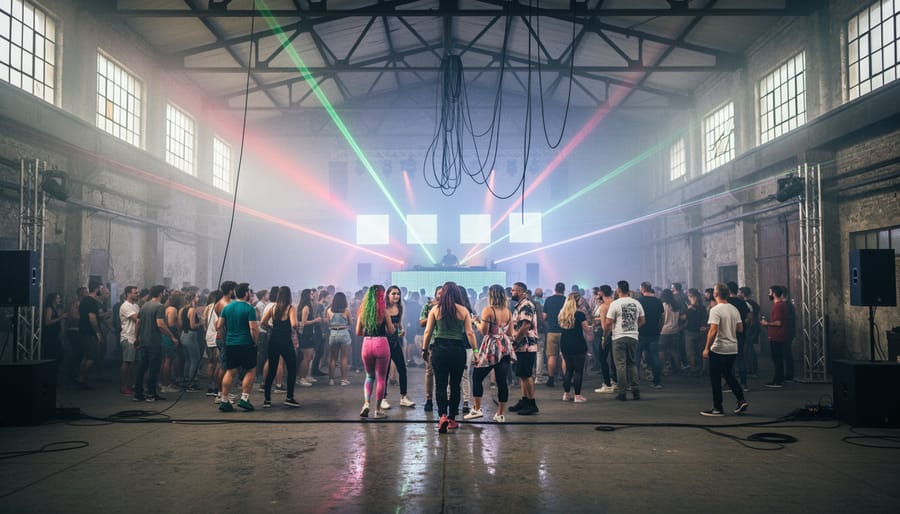
Edmonton might not be the first city that comes to mind when you think global festival destinations, but that’s exactly what makes Scream worth your attention. This festival taps into Canada’s distinct approach to live music, less flash, more substance, with a genuine appreciation for both homegrown talent and international acts that don’t always hit the usual North American circuit.
What sets Edmonton apart is its festival timing and climate. Unlike summer-packed schedules elsewhere, festivals here often capitalize on shoulder seasons, creating a different energy. The city’s compact downtown means venues cluster together, and the local scene has quietly built a reputation for punching above its weight in both indie rock and electronic music.
Canadian festivals generally operate with fewer pretensions than their American counterparts. Expect solid production values without the influencer circus, craft beer tents featuring actual local breweries, and crowds who came to hear music rather than be seen. Edmonton’s festival culture also benefits from the city’s multicultural makeup, you’ll catch influences from Ukrainian folk to Caribbean beats woven into lineups.
The practical angle: Edmonton offers affordable accommodation compared to Vancouver or Toronto, and its international airport connects easily to major hubs. If you’re planning a North American festival tour, this makes a solid mid-route stop that won’t drain your budget before you hit the bigger-ticket events.
4-8. Additional North American Highlights
North America’s festival landscape extends far beyond the desert and coastal hotspots. In the Pacific Northwest, Sasquatch! Festival transforms the Gorge Amphitheatre into an indie rock paradise, imagine catching your favorite band with the Columbia River Gorge as a backdrop. The natural amphitheater creates acoustics that make every performance feel intimate despite the crowds.
Head to the Midwest for Lollapalooza in Chicago’s Grant Park, where urban festival culture thrives. Four days of multi-genre madness, from hip-hop to alt-rock, all within walking distance of deep-dish pizza and Lake Michigan breezes. The city integration makes it perfect for festival-goers who want civilization nearby.
Electronic music lovers shouldn’t miss Electric Forest in Michigan’s Double JJ Resort. This isn’t just a festival, it’s a week-long journey through fairy-lit forest stages where jam bands meet EDM producers. The camping community here rivals the music itself.
Down in Texas, Austin City Limits Music Festival brings that signature Austin weirdness to Zilker Park each fall. Two weekends of eclectic lineups in a city that lives and breathes live music year-round.
Canada’s Osheaga in Montreal offers European festival vibes without crossing the Atlantic. French-influenced food, a genuinely bilingual crowd, and lineups that blend North American headliners with international acts you won’t catch anywhere else on the continent.
European Festival Circuit
9-15. Essential European Festivals
9. Primavera Sound, Barcelona
Barcelona’s Primavera Sound transforms the Mediterranean waterfront into a sprawling music playground each late spring. The festival sprawls across Parc del Fòrum with stages facing the sea, there’s something magical about catching a sunset set with waves crashing in the background. The lineup typically leans indie and alternative with strong electronic undercurrents, but Primavera’s real genius is curation that feels like someone raided your Spotify Wrapped and added acts you didn’t know you needed. Getting around Barcelona during festival week is easy with the metro running late, and the city’s tapas bars become unofficial afterparty zones where you’ll spot exhausted festivalgoers at 3 AM debating the best sets over patatas bravas.
10. Roskilde Festival, Denmark
Denmark’s Roskilde sits in a league of its own as a nonprofit festival where every ticket sale supports charitable causes and emerging artists. The week-long event transforms a quiet town into a temporary city of 130,000 people, with camping culture that rivals the music itself. The lineup spans everything from rock legends to experimental electronica, and the Danish crowd brings a relaxed, welcoming energy. The festival’s legendary Orange Stage has hosted everyone who matters, and the communal vibe feels more like a music-loving village than a corporate event. Just pack rain gear, Danish summer weather keeps you honest.
11. Sziget Festival, Budapest
Budapest’s Sziget takes over Óbuda Island for a week every August, creating what locals call the “Island of Freedom.” The Danube River location gives the festival a natural boundary and creates this wonderfully contained world of art installations, thermal baths, and music spanning every genre imaginable. The mix of Eastern and Western European crowds creates fascinating energy, and Budapest’s stunning architecture provides the perfect pre-festival exploration. The city’s ruin bars in the Jewish Quarter offer excellent recovery spots between festival days.
12. Exit Festival, Serbia
Serbia’s Exit Festival unfolds inside an 18th-century fortress overlooking the Danube in Novi Sad, which immediately sets it apart. The ancient stone walls and sprawling grounds create natural acoustic pockets where different genres coexist, techno thumps in underground tunnels while rock explodes on the main stage. Serbia’s festival scene punches above its weight, and Exit brings serious international lineups to a country still discovering itself on the global festival map. The local rakija (fruit brandy) fuels late-night adventures through the fortress’s hidden corners.
13. Tomorrowland, Belgium
Belgium’s Tomorrowland is electronic music’s ultimate pilgrimage, a weekend where production design reaches theme-park levels of ambition. The fairy-tale stage designs and pyrotechnics make it Instagram’s favorite festival, but the real story is how Belgium, not exactly a nightlife capital, created the world’s most sought-after dance music gathering. Boom becomes a temporary EDM utopia with attendees from 200+ countries. The logistics are famously smooth despite massive crowds, and nearby Brussels offers easy access and excellent Belgian beer recovery.
14. Glastonbury Festival, England
England’s Glastonbury needs little introduction, Michael Eavis’s Somerset dairy farm hosts the world’s most iconic festival. Beyond the legendary Pyramid Stage, it’s a sprawling wonderland where you’ll stumble onto circus acts, political debates, and secret sets in tiny tents. The mud is part of the experience, and Wellington boots are formalwear. Tickets sell out in minutes, but the effort rewards you with a festival that feels less like a music event and more like a temporary autonomous zone. Arrive early to explore before the crowds peak.
15. Primavera Porto, Portugal
Porto’s Primavera offshoot brings Barcelona’s curatorial excellence to Portugal’s stunning second city with its own waterfront identity. The Porto edition typically happens a week after Barcelona, making it perfect for festival-hoppers chasing the Primavera vibe twice. Portugal’s more affordable prices and Porto’s incredible food scene, don’t skip the francesinha sandwiches, make it increasingly popular. The city’s port wine lodges and riverside neighborhoods provide excellent festival downtime.
Asia-Pacific Festival Adventures
16-23. Standout Asia-Pacific Festivals
Japan’s legendary mountain festival transforms the Nagatano forests into a musical wonderland each summer. What sets Fuji Rock apart isn’t just the impressive international lineup, it’s the meticulous Japanese attention to detail. Clean facilities (yes, the bathrooms are actually pleasant), well-organized stages connected by wooden pathways, and a strict no-litter culture create an almost meditative festival environment. The mountain air and forest setting offer respite from the heat, while hot springs nearby provide the perfect post-festival recovery. Pro tip: arrive a day early to acclimate to the altitude and explore the surrounding hot spring towns.
Australia’s premier festival captures the laid-back Byron Bay spirit while delivering heavyweight international and local acts. Held on a working farm, Splendour blends Australia’s outdoor festival culture with a sophisticated production that rivals anything in Europe or North America. The mix of established headliners and emerging Australian talent gives you a genuine taste of the country’s music scene. Byron Bay’s beach town proximity means you can extend your trip into a proper Australian coastal adventure. Pack for unpredictable weather, sunshine and mud often happen in the same weekend.
Set in a 17th-century palace, Magnetic Fields delivers an experience you won’t find anywhere else. The December dates mean perfect desert weather, and the palace grounds create intimate stages that feel like secret parties. Electronic music takes center stage, with a carefully curated lineup mixing international DJs with India’s growing electronic scene. The cultural collision is the real draw, dancing to house music while surrounded by Rajasthan’s architectural splendor creates surreal, unforgettable moments. Stay in nearby Jodhpur and treat this as a cultural deep-dive, not just a festival.
Laneway’s genius lies in its touring format, the same festival hits Melbourne, Sydney, Brisbane, and Adelaide each summer. This rotating showcase of indie, alternative, and electronic acts gives you options depending on which Australian city fits your broader travel plans. The festivals happen in urban parks and creative spaces rather than massive fields, creating a more intimate vibe despite solid crowd sizes. Melbourne’s stop typically offers the best overall experience, with the city’s famous laneway culture providing the perfect festival extension.
India’s biggest electronic music festival turns Goa’s beaches into a bass-heavy paradise each winter. Sunburn brings together massive international EDM names with India’s flourishing electronic scene, creating a festival that feels both globally connected and distinctly Indian. The beach setting, warm December weather, and Goa’s legendary party culture make this a bucket-list experience for electronic music fans. The festival has grown considerably, so expect large crowds and plan accommodation well in advance, Goa gets packed during festival season.
Japan’s answer to multi-city touring festivals, Summer Sonic runs simultaneously in Tokyo and Osaka with artists swapping cities each day. The urban festival setting means you’re minutes from world-class food, accommodation, and culture between sets. Japanese crowds bring an enthusiastic but respectful energy, and the production standards reflect Japan’s reputation for excellence. The Tokyo stop often feels more international, while Osaka delivers a grittier, more local flavor.
Australia’s New Year’s Eve tradition spreads across four coastal locations, letting you choose between Byron Bay, Marion Bay, Fremantle, or Lorne. Each location offers a distinct vibe, from Byron’s bohemian beach culture to Tasmania’s rugged coastal beauty. The timing makes it perfect for combining festival-going with Australian summer adventures. Lineups lean toward indie rock, electronic, and alternative with strong representation of Australian acts you won’t hear elsewhere.
Hidden in the Himalayas, Ziro offers the most unique festival setting on this list. The small-scale festival (intentionally capped at sustainable numbers) happens in an indigenous Apatani village, creating an intimate experience that prioritizes cultural exchange alongside music. Indie and folk dominate the lineup, with artists performing against a backdrop of rice paddies and pine-covered mountains. This isn’t about massive production, it’s about music in an extraordinary place. Limited tickets sell out quickly, and reaching Ziro requires commitment (think small planes and mountain roads), but that’s exactly what makes it special.
Genre-Specific Gems Worldwide
24-31. Best Genre-Focused Festivals
When you chase a specific sound around the world, genre-devoted festivals become pilgrimages. These gatherings draw communities who speak the same musical language, whether that’s four-on-the-floor techno beats or centuries-old folk melodies.
24. Dekmantel, AmsterdamThe Netherlands’ answer to serious electronic music curation runs deep into August’s late-summer warmth. This isn’t bottle-service EDM; it’s avant-garde techno, experimental house, and leftfield electronica spread across multiple venues. The crowd skews toward DJs, producers, and serious heads who appreciate a perfectly-tuned sound system. Amsterdam’s canals and cycling culture make it easy to festival-hop between indoor and outdoor stages.
25. Newport Folk Festival, Rhode IslandAmerica’s folk institution has welcomed legends since 1959, and it still champions acoustic storytelling with fierce loyalty. The waterfront setting becomes a communal sing-along where you’re as likely to discover a banjo prodigy as catch a surprise appearance by a Americana icon. Bring blankets, prepare for Newport’s unpredictable coastal weather, and expect goosebumps during sunset sets.
26. Wacken Open Air, GermanyIf you think 85,000 metalheads descending on a tiny German village sounds chaotic, you’d be half right. Wacken is organized chaos: meticulous German planning meets moshing, headbanging devotion to all things heavy. From black metal to power metal, the lineup is uncompromising. The muddy fields become a temporary kingdom where leather and denim reign, and the beer flows as freely as the double-bass drum patterns.
27. Montreal International Jazz Festival, CanadaThis isn’t your grandmother’s smooth jazz festival. Montreal transforms its downtown into a sprawling celebration that stretches jazz’s definition to include funk, soul, blues, Latin rhythms, and experimental fusion. Many outdoor stages mean free discovery alongside ticketed headline shows. June in Montreal offers perfect weather and the city’s legendary food scene as a bonus soundtrack.
28. Cambridge Folk Festival, EnglandEngland’s green countryside hosts one of folk’s most welcoming gatherings. Four days of acoustic guitars, fiddles, and storytelling attract families, folk purists, and curious newcomers alike. The British festival-camping experience here is less mud-wrestling chaos, more tea and singalongs. Acts span traditional Celtic ballads to contemporary folk-rock crossovers.
29. Movement Electronic Music Festival, DetroitTechno pilgrims travel to its birthplace every Memorial Day weekend. Detroit’s festival honors the city’s electronic music legacy with underground credibility intact. Three days, multiple stages, and a lineup that reads like a techno history lesson. The crowd knows the difference between a 909 and an 808, and they’re here for the culture, not the Instagram moment.
30. Byron Bay Bluesfest, AustraliaFive days of blues, roots, and soul on Australia’s east coast draw 100,000 fans to experience everything from Delta blues to reggae-infused grooves. The festival’s commitment to Indigenous Australian artists alongside international acts creates a unique cultural exchange. Easter timing means autumn weather and a laid-back Byron Bay vibe that’s impossible to fake.
31. Roskilde Festival, DenmarkScandinavia’s nonprofit rock institution spans eight days with genre diversity that somehow maintains coherent identity. The volunteer-run ethos and commitment to emerging artists alongside established acts creates a community feel rare at this scale. Danish summer nights that barely get dark amplify the surreal atmosphere of 130,000 people celebrating music for music’s sake.
Hidden Treasures and Emerging Festivals
32-38. Off-the-Beaten-Path Discoveries
The festivals that stick with you aren’t always the headliners on every blog’s year-end roundup. Sometimes the most transformative experiences happen at gatherings small enough that locals still debate whether they want the secret out. These seven festivals reward curiosity over hype-chasing.
32. Meadows in the Mountains, Bulgaria
Tucked into the Rhodope Mountains, this boutique festival transforms a remote village into a five-day celebration of electronic music, wellness, and Balkan hospitality. The journey there involves winding mountain roads and questionable directions, but that’s half the charm. Morning yoga sessions overlook valleys that seem untouched by the past century, while evening sets blur the line between dancefloor and mountain meditation. The Bulgarian grandmother who sold me homemade rakia at 3 a.m. between stages remains one of my favorite festival encounters.
33. Nozstock: The Hidden Valley, England
Family-run for over two decades on a working farm in Herefordshire, Nozstock caps attendance at 5,000 and maintains the feel of a village fete crossed with a proper music festival. The homemade stages, genuinely eclectic lineup spanning folk to drum and bass, and complete absence of corporate branding create an atmosphere commercial festivals spend fortunes trying to fake. Kids run free, the farm animals seem bemused by the annual invasion, and strangers become neighbors for a weekend.
34. Garbicz Festival, Poland
Set on a private lake estate near the German border, Garbicz attracts discerning electronic music lovers who value production quality and intentional community over Instagram moments. The lake becomes the festival’s social hub, a natural gathering space that rivals any engineered festival chill zones. Sunrise swims between sets feel ceremonial rather than hedonistic. Limited ticket sales keep crowds manageable while supporting artists who might not headline stadium tours but deserve your full attention.
35. Wonderfruit, Thailand
This Thai festival merges cutting-edge electronic music with sustainability initiatives, art installations that respond to the jungle environment, and genuine cultural exchange. Located outside Pattaya, it proves festival culture can thrive in Southeast Asia without simply importing Western models wholesale. The Thai food vendors alone justify the journey.
36-38. Your Own Discoveries
The remaining slots stay open intentionally. Every festival-goer eventually stumbles onto that perfect gathering nobody’s heard of yet, the one you’ll debate sharing online because part of you wants to keep it sacred. These festivals exist in every region covered by this guide, waiting for someone willing to scroll past the first page of search results or follow a locals-only tip. They’re the festivals that remind us why we started chasing live music in the first place.
Festival Travel Wisdom: Making the Most of Your Global Festival Journey
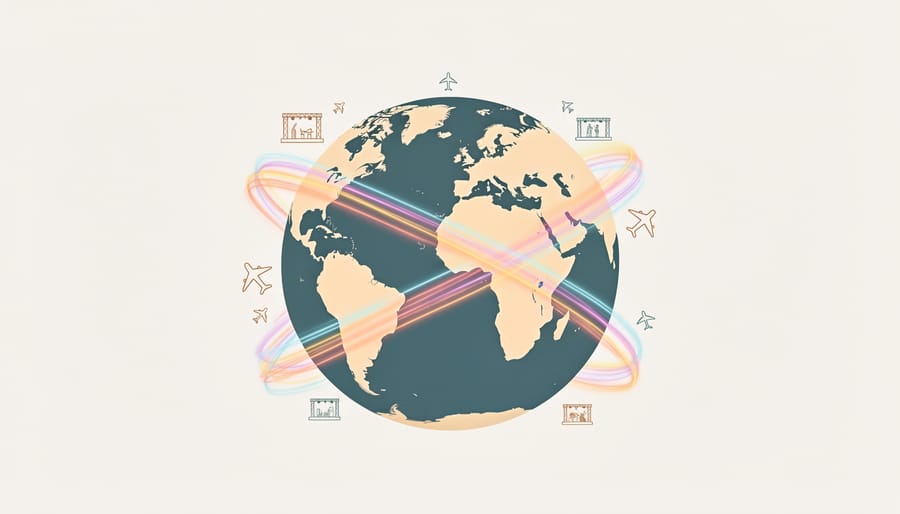
Here’s the thing about international festival-hopping: the experiences that change you don’t happen by accident. After years of chasing stages across continents, I’ve learned that the difference between a trip you’ll treasure and one that drains your wallet comes down to preparation that leaves room for spontaneity.
Book your tickets the moment lineups drop if you’re targeting major festivals. Coachella, Glastonbury, and other headline events sell out within hours. For smaller festivals, you’ve got more breathing room, but I’d still secure passes three to four months out. This also gives you leverage on flights, setting price alerts six months ahead can save you hundreds. When you plan your Canadian trip or any multi-festival journey, cluster your dates to minimize travel days between events.
Accommodation strategy depends on your comfort threshold. Hotels offer reliability but drain budgets fast. Hostels and Airbnbs balance cost with rest, crucial when you’re festival-hopping across time zones. Some festivals offer official camping that becomes part of the experience, just know what you’re signing up for. I’ve frozen in Scottish fields and sweltered in California deserts, both memorable for different reasons.
Pack smarter, not heavier. One versatile backpack beats dragging luggage through train stations between festivals. Layer for climate shifts, bring a portable charger that actually holds multiple charges, and carry earplugs (the good kind, your ears will thank you decades later). When you choose the right festival research local customs beforehand. What flies at a warehouse rave in Berlin might offend at a traditional festival in India. Respect the culture, learn basic phrases in the local language, and remember you’re a guest in someone else’s home, even when the bass is dropping.
Common Questions About Global Festival-Going
How far in advance should I book tickets and accommodation?
For major festivals like Coachella, grab tickets the moment they drop, often 6-9 months ahead. Accommodation near popular festivals fills up even faster, so I always book lodging within days of securing my ticket. Lesser-known festivals give you more breathing room, but three months ahead is a safe bet.
What’s the best season for international festival-hopping?
Summer remains peak festival season globally, but chasing spring and fall festivals means smaller crowds and better weather. I’ve had incredible experiences at autumn festivals that avoid the scorching heat and chaotic summer rush.
How do I choose between festivals with similar lineups?
Look beyond the headliners at the overall vibe, venue setting, and local culture. A beach festival in Australia delivers a completely different experience than a desert gathering in California, even with overlapping artists. Read past attendee accounts and trust your gut about which atmosphere speaks to you.
Are multi-day passes worth it for international travelers?
Absolutely, if you’re flying across continents anyway. The per-day cost drops significantly, and you get the full festival arc rather than a single-day snapshot. Plus, the festival community deepens over multiple days, those random campsite friendships become the memories that last.
How do I handle language barriers at international festivals?
Download offline translation apps and learn basic phrases, but honestly, music transcends language every time. I’ve navigated Japanese festivals with zero fluency by pointing, smiling, and following the crowd. Festival-goers are universally helpful, and shared enthusiasm bridges communication gaps faster than perfect grammar ever could.
The beauty of global festival-going is that most challenges solve themselves once you’re on the ground. Festivals attract open-minded crowds who’ve dealt with the same questions, so you’ll find fellow travelers eager to share tips about everything from currency exchange to the best local food stalls. Pack light, stay flexible with your plans, and remember that getting slightly lost or confused often leads to the best festival stories.
The 38 festivals we’ve explored represent just a fraction of what’s happening globally in 2026, but they showcase the incredible diversity and accessibility of modern festival culture. From Coachella’s twin weekends in April to Miami’s Halloween celebration in late October, from underground European techno gatherings to Asia-Pacific’s culturally rich celebrations, there’s never been a better year to expand your festival horizons beyond your home turf.
What makes 2026 special isn’t just the quantity of festivals but the quality of experiences they offer and how connected we’ve become as a global festival community. The barriers to international festival-going have dropped dramatically, better information, easier travel logistics, more welcoming festival cultures everywhere. The Database of Global Music Festivals and similar resources keep evolving with real-time updates, helping you pivot when lineups drop or new festivals emerge mid-year.
Start with one festival that genuinely excites you, even if it feels ambitious. Book that flight, grab that ticket, and trust that the festival experience will transform how you think about music, travel, and community. The dance floors, desert sunrises, and late-night conversations with strangers from other continents are waiting. Your 2026 festival journey starts now.