
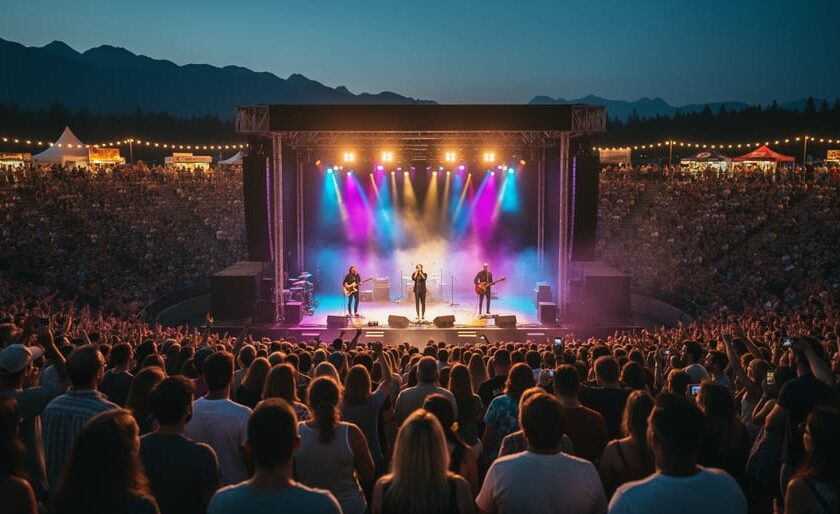
Canada’s festival landscape stretches from coastal raves to mountain folk gatherings, and if you’re planning your 2026 season, timing is everything. Book your passes for major events like Osheaga, Boots and Hearts, or BreakOut West between January and March to snag early bird pricing that can save you 30-40% off gate prices. Check our Canadian Music Festival Guides for region-specific calendars, because the best festivals often happen simultaneously across different provinces, forcing you to make tough choices.
The beauty of Canadian festivals lies in their sheer diversity. You’ve got electronic music taking over Montreal’s Parc Jean-Drapeau, country acts dominating Ontario’s Burl’s Creek, and indie darlings showcasing in Halifax’s waterfront venues. Unlike American mega-festivals that follow predictable formulas, Canadian events lean into regional character. I’ve watched Maritime kitchen parties evolve into full-scale Celtic Colours celebrations, and witnessed Vancouver’sfolk scene transform English Bay into an acoustic paradise.
Weather prep separates festival veterans from rookies here. That cute sundress won’t cut it when Calgary’s evening temperatures drop 20 degrees after sunset, even in July. Layer up, pack a rain poncho regardless of forecasts, and remember that Canadian summer means mosquito season in most provinces outside BC’s coast.
Transportation varies wildly by location. Montreal and Toronto festivals connect easily via metro systems, but rural events like Pemberton or Edmonton Folk Fest require shuttle coordination or designated drivers. Provincial camping regulations differ too, so research beforehand whether you can bring your own booze or need to buy on-site.
The 2026 season promises over 200 music festivals nationwide, from 500-person gatherings to 100,000-attendee spectacles. Your perfect festival exists somewhere between St. John’s and Victoria.
What Makes Canadian Music Festivals Different
Having hopped between festivals across both sides of the border for the past decade, I can tell you there’s something genuinely different about the Canadian festival experience. It’s not just marketing fluff, the vibe really does hit differently up north.
The most obvious distinction is the stunning natural settings. While plenty of American festivals happen in fields or fairgrounds, Canadian festivals seem to have cornered the market on jaw-dropping backdrops. We’re talking mountain ranges framing stages in BC, lakefront sunsets in Ontario, and rugged coastlines in the Maritimes. Festival organizers here lean hard into the natural beauty, often building stages that feel like they’re part of the landscape rather than dropped onto it.
Then there’s the multicultural aspect that’s baked into the Canadian identity. You’ll catch a lineup that bounces from francophone indie artists to First Nations performers to international headliners without it feeling forced or like a diversity checkbox exercise. This reflects the country’s actual cultural makeup, and audiences here genuinely embrace genre and cultural variety in ways that feel more organic than curated.
The community vibe deserves its own mention. Canadian festivals tend to attract crowds who actually want to be there for the music and the experience, not just for Instagram content. Sure, you’ll find influencers and VIP sections, but there’s less of the aggressive status-seeking that can dominate bigger American fests. People strike up conversations easier, share sunscreen without being asked, and generally look out for each other.
Festival staff and volunteers embody that famous Canadian politeness, but it goes beyond just saying sorry a lot. There’s a genuine helpfulness and patience that makes the whole experience smoother, especially when weather throws a curveball or logistics get messy.
Major Multi-Genre Festivals You Can’t Miss

East Coast Headliners
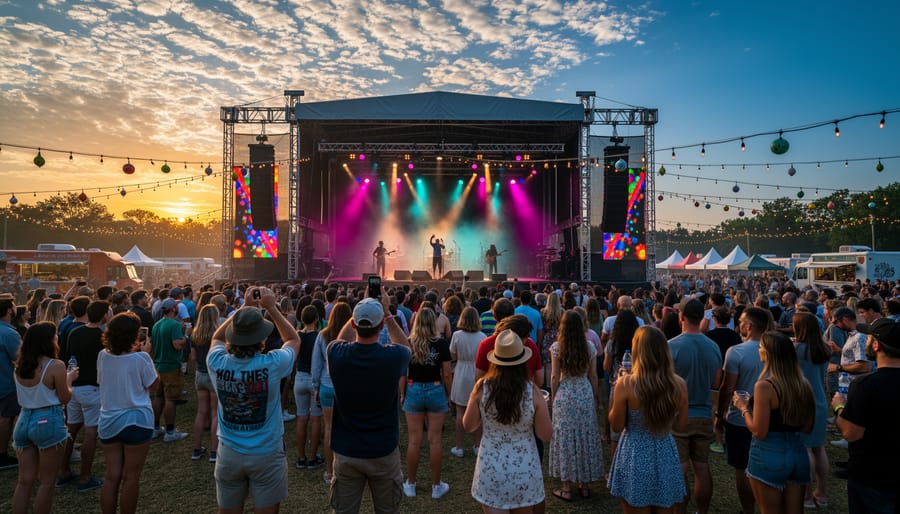
Ontario and Quebec dominate the East Coast festival scene with events that’ve become bucket-list experiences for music lovers worldwide. Osheaga in Montreal stands out as the region’s crown jewel, three days of genre-spanning lineups set against the St. Lawrence River. The festival draws a uniquely bilingual crowd that switches between languages mid-conversation, creating an atmosphere you won’t find anywhere else. Expect indie darlings alongside hip-hop headliners, with local poutine vendors keeping everyone fueled between sets.
Toronto’s Veld Music Festival brings the electronic music heat every August, transforming Downsview Park into a bass-heavy wonderland. The crowd skews younger and party-ready, with impressive production values that rival major American EDM festivals. What makes Veld special is how it captures Toronto’s multicultural energy, you’ll hear five different languages in the crowd and see fashion that ranges from rave wear to streetwear luxury.
Head east to Nova Scotia, and you’ll discover the Halifax Pop Explosion, a multi-venue urban festival that’s launched countless Canadian indie careers. Unlike sprawling outdoor events, this one takes over the city’s clubs and theatres for five nights of discovery. The vibe is intimate and adventurous, festival-goers bar-hop between venues, often stumbling onto their new favorite band in a packed 200-capacity room.
Ottawa Bluesfest deserves mention despite its name, this festival ditched genre restrictions years ago, booking everyone from rock legends to electronic acts. Lebreton Flats Park hosts 11 days of music, making it perfect for locals who want the festival experience without committing their entire vacation time.
West Coast and Prairies Standouts
The western half of Canada throws festivals that play to their geographic strengths, and trust me, there’s nothing quite like dancing under the Northern Lights or catching a headliner with the Rockies as your backdrop.
Shambhala Music Festival in the Kootenay mountains of BC remains the gold standard for electronic music lovers. Held on a private ranch, this fully independent festival operates on a totally different wavelength, no corporate sponsors, just pure rave culture in the forest. The Fractal Forest stage alone is worth the pilgrimage. Calgary Stampede might be better known for rodeo, but the Virgin Mobile Stampede Tent brings surprisingly heavy hitters across country, rock, and pop during those ten July days. The energy is wild, especially when you’ve got 30,000 people who just watched bull riding now losing their minds to a headliner.
Further east, Winnipeg Folk Festival has been the prairie standard-bearer since 1974, drawing folk purists and curious newcomers to Birds Hill Provincial Park every July. The camping community here is legendary, I’ve made lifelong friends just by wandering between campsites. Saskatoon Jazz Festival transforms downtown into a massive outdoor venue throughout late June, offering free concerts alongside ticketed shows. The vibe is relaxed, accessible, and genuinely welcoming.
What strikes me about western festivals is how the landscape shapes the experience. BC festivals lean into that mystical forest energy, while prairie events embrace wide-open skies and that distinctly warm Western Canadian hospitality. Pack layers regardless, mountain nights get cold fast, and prairie winds don’t care about your festival outfit.
Genre-Specific Festivals for True Fans
If you know exactly what you want musically, why settle for a mixed-bag lineup? Canada hosts incredible specialized events where every artist on the bill speaks your language. These genre-focused gatherings attract die-hard fans who live and breathe their chosen sound, creating communities where you’ll finally meet people as obsessed as you are.
Electronic music lovers have struck gold with festivals like Ile Soniq in Montreal and Shambhala Music Festival in the Kootenays. Shambhala remains the spiritual home for bass heads and techno purists, no corporate sponsors, no phones allowed in certain areas, just six stages of curated electronic bliss tucked into a BC forest. The crowd skews experienced and respectful, with festival veterans mentoring first-timers on proper rave etiquette. Meanwhile, Ever After in Kitchener brings the mainstage energy with massive production and headliners you’d typically fly to Europe to catch.
The folk and roots scene thrives at Winnipeg Folk Festival and Edmonton Folk Music Festival, both running since the 1970s with fiercely loyal followings. These aren’t your grandparents’ hootenannies, lineups blend traditional acts with contemporary folk-adjacent artists across indie, world music, and Americana. Workshops during the day let you watch artists collaborate and share stories, then evening main stage shows deliver those magical crowd singalongs under prairie skies.
Hip-hop finally has proper festival representation through events like NXNE in Toronto and smaller regional showcases spotlighting Canadian talent. Breakout Festival in Vancouver dedicates itself entirely to hip-hop culture, including breaking competitions and graffiti installations alongside performances. The crowd tends younger and more diverse than typical Canadian festivals, reflecting the genre’s actual fanbase rather than the token rap act on a rock bill.
For those exploring festivals by genre this breakdown helps narrow your search:
| Genre Focus | Key Festival | Location & Timing | Crowd Vibe |
|---|---|---|---|
| Electronic/EDM | Shambhala | BC interior, late July | PLUR culture, seasoned ravers |
| Folk/Roots | Winnipeg Folk Fest | Winnipeg, early July | Family-friendly, communal |
| Indie Rock | Sled Island | Calgary, June | Music nerds, discovery-focused |
| Hip-Hop | Breakout Festival | Vancouver, September | Urban, culture-driven |
| Jazz | Montreal Jazz Fest | Montreal, late June-July | Sophisticated, international |
Indie rock devotees should mark Sled Island in Calgary and M for Montreal on their calendars. These festivals operate as discovery machines, booking tomorrow’s headliners before anyone else catches on. You’ll spend half your time texting friends “WHO IS THIS?” after stumbling into a venue showcase. The crowds include industry folks, obsessive music journalists, and fans who actually read album credits.
Jazz festivals operate differently, Montreal’s massive International Jazz Festival transforms downtown into a sprawling celebration where free outdoor stages complement ticketed shows. The genre boundaries blur beautifully, with R&B, soul, and experimental acts filling gaps between traditional jazz sets.
Genre-specific festivals reward commitment. You’re not hedging bets across multiple sounds, you’re diving deep with fellow believers.
Hidden Gems and Regional Favorites
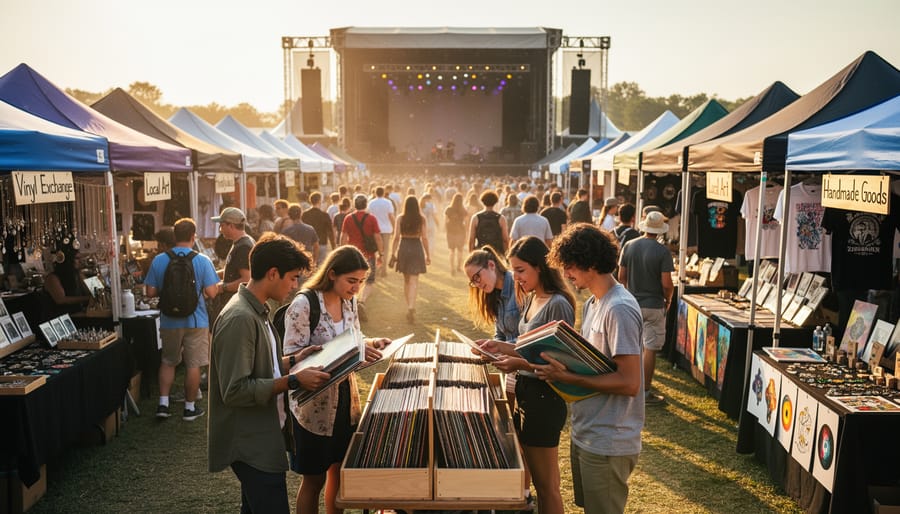
The best festival stories I’ve collected over the years rarely come from the massive headliner stages. They come from those 2,000-capacity affairs in small towns where the bartender knows half the crowd by name and the lineup features bands you won’t find on Spotify’s algorithmic playlists.
Take the Hillside Festival in Guelph, Ontario. Held on the shores of Guelph Lake every July, this nonprofit event caps attendance intentionally to maintain its family-reunion atmosphere. The programming leans heavily toward folk and roots music, with emerging Canadian acts sharing stages with established artists who genuinely want to be there. What sets Hillside apart is its commitment to sustainability and community workshops, you can catch a songwriting circle between sets or join a drum workshop led by touring musicians. The camping vibe feels less like a commercial festival and more like visiting your coolest aunt’s cottage for the weekend.
Out in Nelson, BC, the Shambhala Music Festival has been throwing electronic music fans into the Kootenay wilderness since 1998. This is the anti-EDM-megafestival: completely independently run, alcohol-free, and spread across a farm with six distinct stages tucked into forest clearings. The Pagoda Stage, built into the trees, hosts some of the most intimate bass music sets you’ll experience anywhere. Locals guard this one fiercely, it’s intentionally limited to 10,000 tickets and sells out within hours every year.
The Islands Folk Festival on Gabriola Island off Vancouver’s coast requires a ferry ride to reach, which immediately filters the crowd to dedicated music lovers. Held each July in a meadow overlooking the ocean, it showcases predominantly BC artists across folk, roots, and world music genres. The two-day format keeps things relaxed, and the Saturday night mainstage finale always ends with a spontaneous jam session involving half the weekend’s performers.
For something completely different, try the Winnipeg Folk Festival’s smaller cousin, the Brandon Folk Music & Art Festival. This Manitoba gem runs donation-based, features predominantly prairie artists, and happens in a city park where kids tumble down hills while their parents discover songwriters who’ll never tour beyond the prairies but write circles around most Nashville acts.
These festivals won’t impress your Instagram followers with celebrity sightings. They’ll just give you actual memories.
Planning Your Festival Season Like a Pro
Mapping out your festival summer across Canada requires more strategy than just marking random dates on a calendar. I learned this the hard way after booking three festivals in a row without considering that crossing from Montreal to Calgary involves a four-hour flight and two time zones, not exactly recovery-friendly when you’re still wearing glitter from the night before.
Start by clustering festivals geographically when possible. If you’re hitting Ottawa Bluesfest in early July, look at what’s happening in Toronto or Montreal the following weekend rather than immediately flying west. The beauty of central Canada is that you can often drive between major festivals in four to six hours, turning the journey into part of the adventure and saving serious cash on flights.
Budget planning goes beyond ticket prices. Factor in $150-200 per festival day for camping or accommodation, $50-75 daily for food and drinks (yes, even when you pack snacks), plus travel costs that vary wildly depending on whether you’re driving across Saskatchewan or flying to the Maritimes. When you plan multiple festivals these numbers add up fast, so I always pad my estimates by 20% for the inevitable merch table temptations and late-night poutine runs.
The biggest rookie mistake is booking back-to-back weekends without recovery time. Your body needs at least three or four days between festivals to actually sleep in a real bed, do laundry, and remember what vegetables taste like. I now schedule one weekend off between every two festivals, which has completely changed my ability to actually enjoy each event rather than just surviving them. Trust me, showing up fresh beats showing up first.
What to Expect: Weather, Crowds, and Vibes
Canadian festivals are beautifully unpredictable, and that’s part of their charm. I’ve danced in scorching 35°C heat at a Toronto festival one year, then shivered through a surprise rainstorm at the same event the next summer. Our weather doesn’t care about your plans, so check a comprehensive festival packing list before you pack.
East Coast festivals often deal with humidity and sudden temperature drops once the sun sets. Montreal’s summer festivals can be sweltering during the day but surprisingly cool at night. Prairie festivals face extreme heat and dust storms, while BC mountain venues swing between hot afternoons and cold evenings. Alberta? Pack for all four seasons, even in July. Seriously.
Crowd sizes vary wildly depending on the festival tier and location. Major events like Osheaga or Boots and Hearts can hit 40,000+ attendees daily, creating that massive festival energy but also longer lines and tighter spaces. Mid-size festivals (5,000-15,000) offer a sweet spot of good lineups without overwhelming chaos. Smaller regional festivals might draw just hundreds, giving you room to breathe and actually chat with performers.
The vibe shifts across regions too. Quebec festivals bring European-style late-night energy and a more laissez-faire attitude. Ontario crowds tend toward organized fun with clear schedules. Western festivals lean into laid-back outdoor culture, where everyone’s genuinely stoked to be there. Maritime festivals feel like massive kitchen parties where strangers become friends by the second set.
Understanding what to wear for these varying conditions makes the difference between an epic weekend and a miserable slog. Layer up, bring rain gear, and embrace the chaos.
Canada’s festival scene isn’t just about the music, it’s about the whole experience. Standing in a field under the northern lights, sharing a moment with strangers who become friends, discovering your new favorite band while surrounded by mountains or ocean, these are the memories that stick with you long after the last encore fades.
The beauty of Canadian festivals is that there’s genuinely something for everyone. Whether you’re into massive headliners or intimate folk circles, raging electronic sets or acoustic storytelling, you’ll find your people here. And the best part? The community vibe runs deep. Canadians know how to throw a party without losing the warmth and inclusivity that makes everyone feel welcome.
Don’t overthink it. Pick a festival (or three), grab your crew, and just go. Start with a major festival if you want the full spectacle, or dive into a regional gem for that authentic local flavor. Either way, you’re in for an unforgettable summer.
Use this guide as your starting point, check individual festival sites for updated lineups and tickets, and get ready to understand why Canadians are so proud of their festival culture. The only way to truly get it is to experience it yourself. Trust me, once you do, you’ll be planning next year’s festival season before this one even ends.
See you out there.