
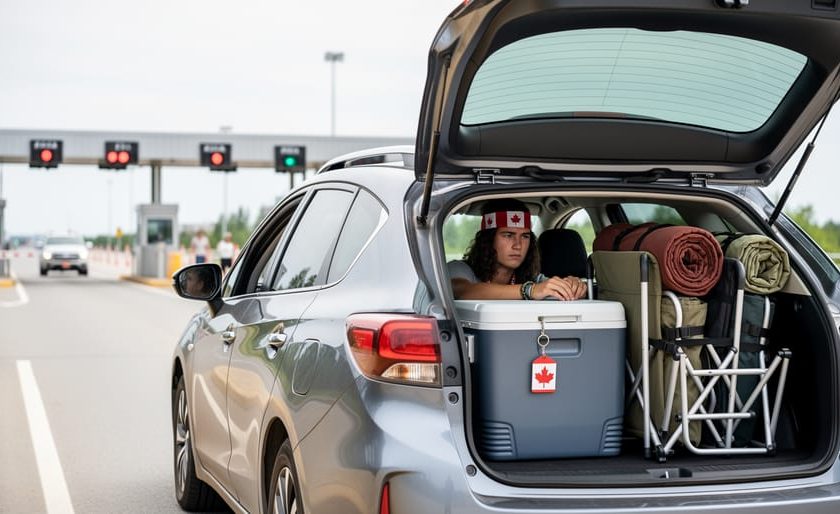
Crossing the border for a festival is easy when you show up with the right proof of identity, a clear read on your visa status, and a little buffer time. That’s the whole game. The CBSA says you and your family need proof of identity and citizenship when crossing the Canadian border, and most Canadians don’t need a visa to enter the U.S. directly from Canada or an eTA to enter Canada, so the paperwork side is simpler than the nerves suggest.
Whether you’re road-tripping to one of the big Canadian festivals or heading south for a weekend of headliners, the delays almost always come from the same stuff: forgotten ID, no plan for the return trip, and a car packed like a tent city on wheels. Fix those and you’re mostly golden.
Below are eight tips, from checking official travel advice to using ArriveCAN’s Advance Declaration if you’re flying home, plus how we picked them. Entry requirements can change, so confirm the current rules with official sources before you leave. Then go enjoy the music.
How We Picked These Border Crossing Tips
We didn’t just throw together every border tip we’ve ever heard at a campsite. We picked the ones that trip up festival travellers most often, then checked them against what official Canadian government and CBSA information actually supports. Camping gear, printed tickets, and a car full of friends add their own wrinkles, so we kept those in mind too.
Here’s what each tip had to clear:
- Relevant to festival trips, not just general travel.
- Backed by official government or CBSA guidance.
- Easy to act on before you leave home.
- Useful whether you’re driving or flying.
One honest note: this is evergreen guidance, not a live status report. Rules, wait times, and advice shift, and we can’t see what’s happening at a crossing right now. So before you load the trunk, check the official sources one more time. A two-minute look beats a two-hour surprise in the line.
1. Pack Proof of Identity and Citizenship Like It’s Your Wristband
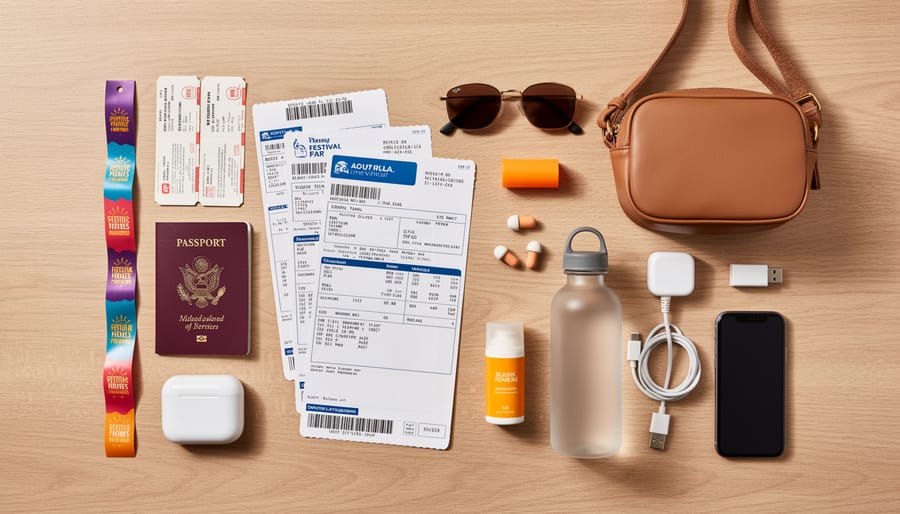
Picture this: you’re idling in line, the festival wristband practically glowing in your imagination, and suddenly you’re digging through a backpack, a glovebox, and a cooler lid looking for your passport. We’ve all felt that little jolt of panic. The fix is simple. Treat your travel documents like your wristband: the one thing you never, ever misplace.
Here’s why it matters. The CBSA says you and your family need proof of identity and citizenship when crossing the Canadian border. That’s not a suggestion tucked into the fine print. It’s the baseline for getting back home after the last encore.
So pick a spot and stick to it. A zippered pouch or a small waterproof bag works great, and it should live somewhere you can grab it in seconds, not buried under the tent poles and the speaker you swore you’d need. Keep it dry, because festival weekends come with spilled drinks, surprise rain, and sweaty pockets. If you’re travelling in a group, make sure every person has their own documents on them, not stashed in someone else’s bag.
A quick pre-trip check on those official pages beats guessing at the window. Once your documents are sorted and within reach, the line feels a whole lot shorter.
2. Know Your Visa Situation Before You Book (Spoiler: It’s Usually Simple)

Good news for your festival planning: the visa question is usually the easiest box to tick. Canadian citizens generally don’t need a visa to enter the United States directly from Canada when the purpose is visiting or studying, and a weekend at a music festival falls squarely in the “visiting” camp. On the flip side, Canadian travellers don’t need a visa or an eTA to come back into Canada either. So for a lot of crews, there’s no extra application standing between you and the main stage.
That said, don’t assume the whole squad is in the same boat. Every group has that one friend whose situation is a little different: someone who isn’t a Canadian citizen, a permanent resident, a newer arrival, or a visiting pal tagging along from another country. The rules for people in those situations may not match the ones above, and “it was fine for me” isn’t a plan for them. Have everyone in the group check their own status individually, well before you book flights, hotels, or that dream campsite.
Make it a group-chat habit: ask each person to confirm what applies to them using official government sources, and do it early. It’s a five-minute check that can save a whole trip, and it keeps the stress at the border to a minimum so the only thing you’re worrying about is whether you’ll catch the opening set.
3. Check the Official Travel Advice Before You Roll Out
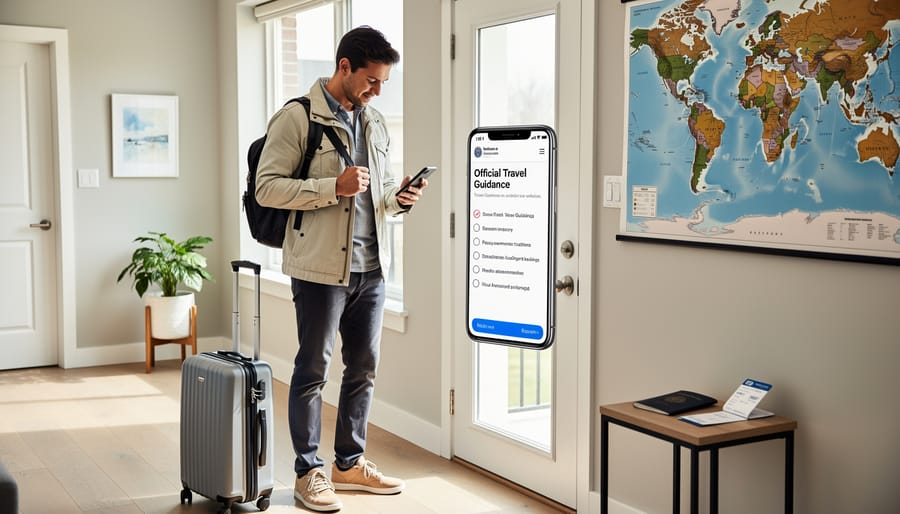
Before you load the cooler and hit the highway, take five minutes to read the Government of Canada’s official travel advice for wherever you’re headed. It’s the least glamorous item on your pre-festival checklist, but it’s also one of the easiest. Think of it as checking the weather before you pack the rain jacket.
For the United States, the current advice tells Canadians to take normal security precautions, which is about as reassuring as it gets. The page was last updated on 27 November 2026, so it’s actively maintained. Give it a quick read again right before you leave, since advice pages can change between booking your tickets and pulling out of the driveway.
Now, if your festival plans include a Southwest road trip, pay extra attention. For travellers crossing the U.S., Mexico border by car, the Canadian government advises staying extremely vigilant, using only officially recognized border crossings, and avoiding travel at night. That last one matters more than you’d think. Festival road trips tend to run on “we’ll just push through” energy, and the advice is clear that darkness is not the time to do it.
Build your drive around daylight, plan your stops ahead of time, and let your crew know the plan before you hit the road. A few minutes of reading now means you can spend the drive thinking about the lineup instead of second-guessing the route.
4. Plan Around Land Border Wait Times on the Way Home
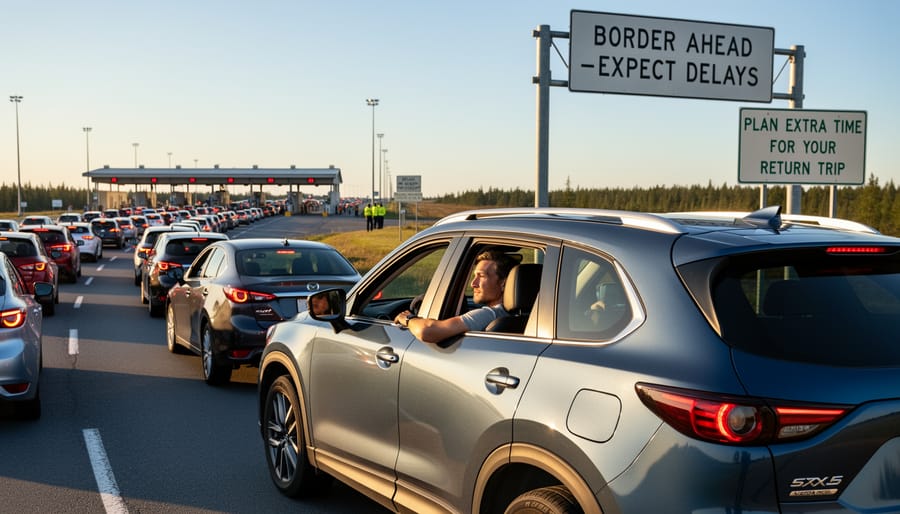
Here’s the thing about the drive home: everyone else had the same idea. When the final headliner wraps and the whole campsite starts packing up, a lot of people hit the road at once, and the line at the border can feel like one last festival crowd you didn’t buy a ticket for.
The good news is you don’t have to guess. The CBSA offers land border wait times for U.S. to Canada crossings, so you can check before you leave the campsite or hotel instead of finding out from the back of the line. Make it part of your pack-up routine, right alongside tent stakes and trash bags. Check again once you’re on the road if you have signal.
A few habits make the return so much smoother:
– Build in buffer time. Treat your arrival time as a hopeful estimate, not a promise.
– Stagger your departure. Leaving a bit earlier or later than the main rush can take the edge off, so don’t feel pressured to bolt the second the music stops.
– Skip the tight turnaround. Planning a Monday-morning work shift right after a festival weekend is asking for stress. Give yourself a cushion day if you can.
The crowd’s going to do what the crowd does. Your job is to be the person who planned ahead and still has energy left when you get home.
5. Use ArriveCAN’s Advance Declaration If You’re Flying Home
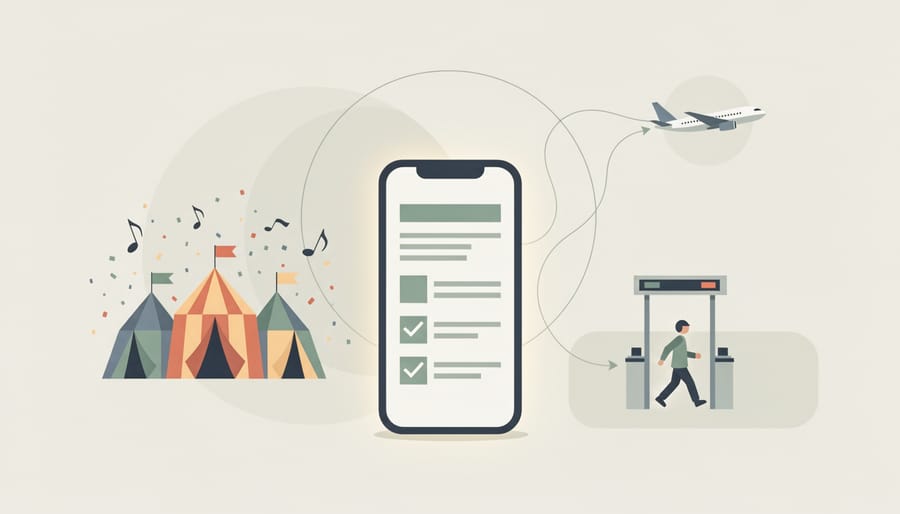
Flying home after a long festival weekend is a different kind of tired. Your ears are ringing, your wristband is still on, and the last thing you want is to fumble through a customs process at the airport. That’s where ArriveCAN comes in.
The CBSA offers an Advance Declaration in ArriveCAN, which lets you submit your customs and immigration declaration before you fly into Canada. Think of it as a small pre-trip habit, like charging your portable battery or screenshotting your tickets. A few minutes of prep means one less thing to sort out when you’re running on three hours of sleep and a questionable amount of festival food.
Do it ahead of your return flight, not in the arrivals line. Have your travel details handy, answer the questions accurately, and keep the confirmation easy to find on your phone. We’re not promising it’ll shave a set number of minutes off your wait, since every airport and every day is different, but getting the paperwork out of the way early makes the return feel smoother and less stressful.
If you’re still deciding which trip to book, our festival guide can help you plan the whole experience, flights home included.
6. Be Straightforward About Where You’re Going and What You’re Carrying
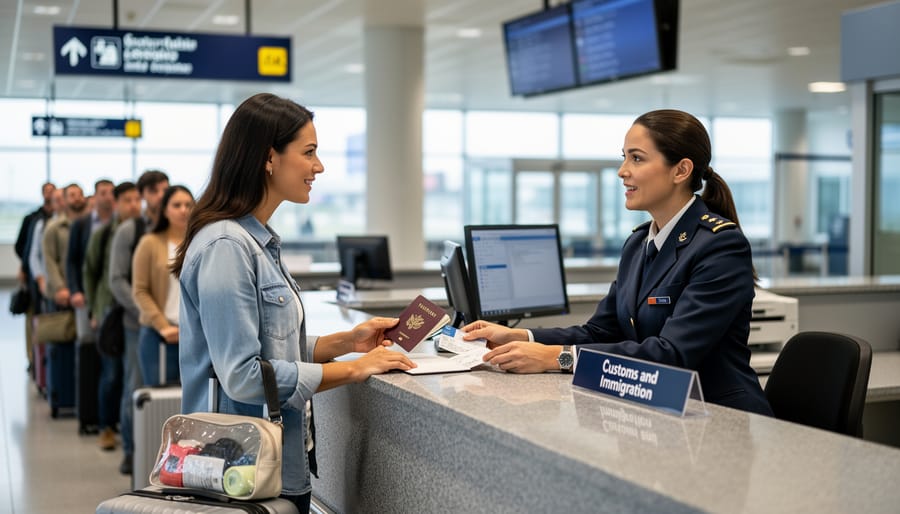
When you pull up to the booth, the officer isn’t trying to ruin your weekend. They’re just trying to understand your trip, and the easiest way to help them is to be calm, clear, and honest. Where are you headed? A music festival. How long are you staying? Say the real number of days. Where are you sleeping? Name the campground, hotel, or rental. Short, truthful answers beat rambling every time.
It also helps to have your paperwork within arm’s reach instead of buried under the cooler. Keep this checklist handy:
- Your ID and proof of citizenship for everyone in the vehicle.
- Your festival ticket or purchase confirmation.
- Accommodation details, including where you’re staying and for how long.
- Your itinerary and return plans.
The same honesty applies to what’s in the trunk. Declare your items accurately, whether that’s camping gear, snacks, or the festival merch you’re hauling home. Don’t guess at limits or rules from memory, because they can change. Check the latest guidance from the CBSA and U.S. customs before you leave, and if you’re ever unsure about something you’re carrying, just mention it. Honesty at the booth is almost always the faster route to the campsite.
7. Pack Smart: Camping Gear, Vehicle Prep, and Group Logistics
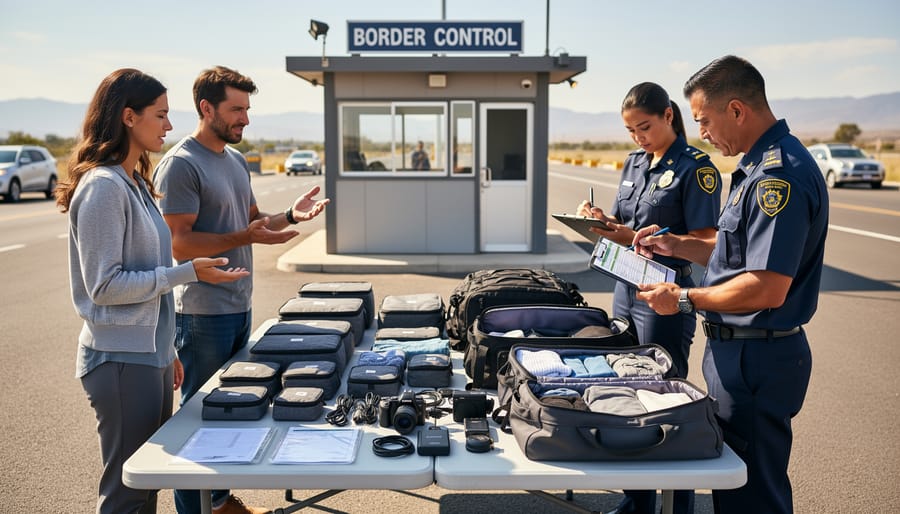
Here’s the thing about festival road trips: the cooler somehow always ends up wedged on top of the tent, and the second someone asks you to explain what’s in the trunk, you’re digging through three layers of camp chairs. Pack with that moment in mind. Keep gear grouped and easy to reach, so tents, chairs, food, and drinks each have a zone you can point to without unpacking the whole car.
A tidy vehicle also helps. Clear out the empty coffee cups and the loose receipts, and keep your tickets and itinerary somewhere handy. If you’re heading to one of the big events on the list of global festivals, you’ll want your head in the lineup, not hunting for a lost lanyard.
Next, check documents for everyone in the car. The CBSA says you and your family need proof of identity and citizenship when crossing the Canadian border, so do a quick headcount of passports before you leave the driveway, not at the booth. Ask each person to confirm theirs out loud. It takes ten seconds and saves a lot of groaning.
Finally, sort out the group logistics. Agree on who’s driving which leg and who’s riding shotgun on playlist duty. If you’re travelling in a convoy, pick a meeting spot on the far side of the crossing in case cars get separated. Border-town gas stations and coffee stops are a classic regroup point, so choose one before you set off.
8. Build in Buffer Time and Keep Your Cool
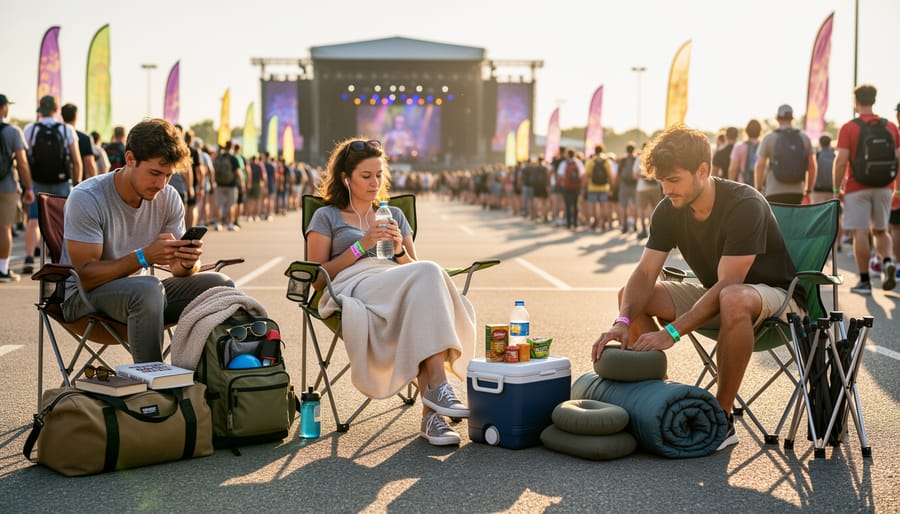
Here’s the last tip, and honestly it’s the one that makes the other seven work: build in buffer time and keep your cool.
Plan to get to the border earlier than you think you need to. Rushing is what turns a normal wait into a stressful one, and nobody wants to arrive at the gates already frazzled. Pack snacks, keep water within reach, and queue up a playlist or a podcast you can all agree on before you hit the line. Think of it like the wait for the main stage: you’re there, the energy’s building, and the lineup is part of the experience.
When you reach the booth, stay calm and courteous. A friendly “hello,” a clear answer, and a patient attitude go a long way, and it helps to remember that officers are just doing their job. The same goes for the people in the cars around you. A little patience now means you’ll roll into the festival grounds (or back home) relaxed and ready for whatever comes next.
Quick Answers for First-Time Cross-Border Festival Trips
Planning your first cross-border festival run? Here are the questions that come up most, answered quickly so you can get back to hunting down the right this summer lineup for your crew.
Do Canadians need a visa to enter the U.S. directly from Canada for a visit?
Canadian citizens generally don’t need a visa to enter the United States directly from Canada for visiting or studying. If someone in your group isn’t a Canadian citizen, they should check their own situation individually.
Do I need an eTA to return to Canada?
No. Canadian travellers don’t need a visa or an eTA to enter Canada.
What proof of identity do I need at the Canadian border?
The CBSA says you and your family need proof of identity and citizenship when crossing. Check the official CBSA site for exactly which documents count before you leave.
Where can I check land border wait times?
The CBSA publishes land border wait times for U.S. to Canada crossings. Pull them up before you leave the campsite or hotel.
Can I declare ahead when flying home?
Yes. The CBSA offers an Advance Declaration in ArriveCAN, so you can submit your customs and immigration declaration before flying into Canada.
Where should I look for current entry requirements?
Go straight to official sources: the Government of Canada’s travel advice page for your destination and the CBSA. Requirements can change, so check right before you head out.
Still not sure about something specific to your trip? That’s normal. When in doubt, the official government pages beat group-chat advice every time.
Final Takeaway: Smooth Border, Better Festival
Crossing the border doesn’t have to be the hard part of your festival trip. Do a little homework before you go, keep your proof of identity within easy reach, and check the official travel advice and land border wait times before you head home. Give yourself plenty of time, stay friendly with officers and your crew, and the line becomes just another part of the adventure. Now go grab those wristbands, queue up your road-trip playlist, and get ready for a killer festival season!